Manufacturing today moves fast. But no matter how advanced technology gets, the need for precision-made metal parts never goes away. Industries still depend on shops that can cut, shape, and build components to exact measurements — every single time. That is where trusted names like Machine and Fabrication Shop Services come in. CT Products is a well-known machine shop that delivers high-quality precision parts and components. They use advanced equipment and proven techniques to serve industries like industrial manufacturing, mining, steel production, warehousing, oil and energy, heavy equipment, and aerospace-related applications. Their work is reliable, accurate, and built to last.
Table of Contents
What Is Precision Machining?
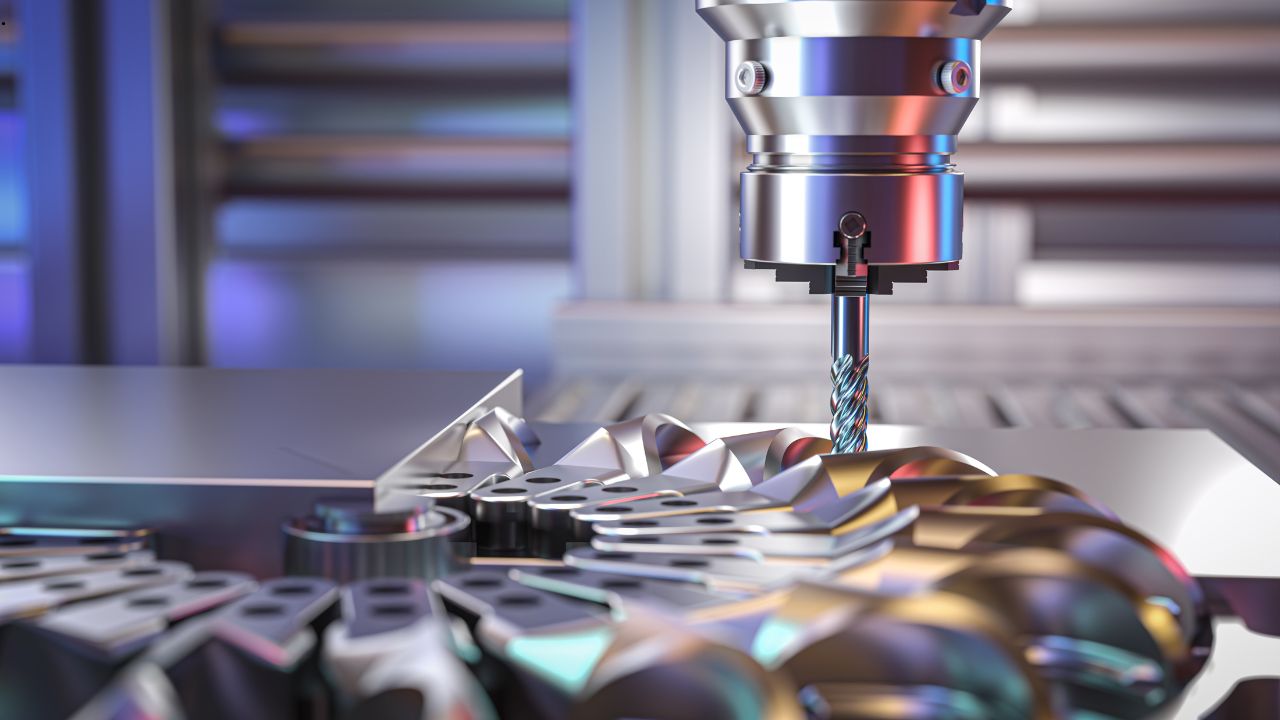
Precision machining is the process of removing material from a metal piece to shape it into a specific part. The goal is accuracy. The goal is accuracy. Even a small error in size or shape can cause a part to fail. So machinists use carefully controlled tools and machines to hit exact measurements.
Most precision machining shops today use CNC machines — short for Computer Numerical Control. These machines follow digital instructions to cut, drill, and shape metal with very tight tolerances. The result is a part that fits exactly where it needs to go and works exactly as it should.
Because of this level of control, precision machining is trusted in industries where failure is not an option. Think of parts used deep in a mine, inside an oil rig, or on heavy construction equipment. These parts must hold up under pressure, heat, and constant use.
What Does Metal Fabrication Include?
Metal fabrication is a broader term. It covers all the processes used to build metal structures and products. This includes cutting, bending, welding, and assembling. Fabricators work with raw metal stock — sheets, bars, tubes, and more — and turn it into finished parts or complete assemblies.
Some common fabrication methods include:
- Laser cutting and plasma cutting for clean, fast cuts on metal sheets
- MIG and TIG welding to join metal parts with strong, durable bonds
- Press braking and forming to bend metal into the right shape
- Surface finishing, grinding, and coating to protect and prepare the final product
Together, machining and fabrication cover almost everything a manufacturer could need. That is why so many industries rely on shops that can handle both.
How CT Products Supports Key Industries
Not every machine shop can work across so many different sectors. CT Products stands out because they have built their capabilities around the real demands of heavy industry. Their Machine and Fabrication Shop Services cover a wide range of applications, from simple replacement parts to complex custom components.
Here is a closer look at some of the industries they serve:
- Industrial Manufacturing: Manufacturers need parts that fit perfectly and hold up through repeated use. CT Products provides machined components that meet tight tolerances, so production lines stay running without constant downtime.
- Mining: Mining equipment takes a serious beating. Parts wear down fast. CT Products makes heavy-duty components that can handle tough underground and surface mining conditions.
- Steel Production: Steel mills operate in extreme heat and under heavy load. The parts used in these environments need to be strong, accurate, and made from the right materials. CT Products understands these demands well.
- Warehousing and Conveyor Systems: Conveyor systems run non-stop in warehouses and distribution centers. When a part fails, everything stops. CT Products builds components that keep these systems moving smoothly.
- Oil and Energy: Parts used in oil fields and energy plants face pressure, vibration, and harsh chemicals. Accuracy is not just useful here — it is necessary for safety and performance.
- Heavy Equipment: From excavators to cranes, heavy equipment needs parts that are both strong and precisely made. CT Products works with the materials and tolerances that heavy equipment manufacturers require.
- Aerospace-Related Applications: While aerospace sets some of the highest standards in manufacturing, CT Products has the equipment and experience to meet demanding specs for aerospace-related components.
The Equipment Makes a Difference
You cannot do precision work with outdated tools. That is why modern machine shops invest in high-quality equipment. CNC lathes, milling machines, grinding equipment, and fabrication tools all need to be well-maintained and capable of hitting tight specs.
CT Products uses advanced machinery to make sure every part meets the required dimensions and finish. Beyond the machines themselves, skilled operators matter just as much. A good machinist knows how to read technical drawings, choose the right tooling, and catch problems before they reach the customer.
In addition to CNC machining, quality fabrication shops also use inspection equipment. Calipers, micrometers, and coordinate measuring machines (CMMs) help verify that parts are within tolerance before they ship. This quality control step is what separates good shops from great ones.
Custom Parts vs. Standard Parts
Many manufacturers can buy standard parts off the shelf. But sometimes, a standard part just does not fit the application. The dimensions are wrong, the material is not right, or the part simply does not exist yet. In those cases, custom machining is the answer.
Custom parts take more time and planning. First, the customer provides a drawing or design. Then the shop reviews it for feasibility, selects the right material, and plans the machining steps. After that, they cut the part, inspect it, and deliver it. The process takes skill and experience to do well.
CT Products handles custom work as part of their everyday operations. Whether a customer needs a single prototype or a full production run, they have the setup to deliver. This flexibility is very useful for industries where each application can have unique requirements.
Why Material Choice Matters
Picking the right metal for a part is just as important as machining it correctly. Different metals have different properties. Some are hard and wear-resistant. Others are light and easy to machine. Some handle heat well, while others are better for high-stress applications.
Common materials in precision machining include steel, stainless steel, aluminum, brass, and various alloys. The right choice depends on the environment where the part will be used, the loads it must handle, and any regulations that apply to the industry.
Experienced shops like CT Products can guide customers in material selection. Sometimes a customer requests one material, but a skilled machinist might suggest something better suited to the application. That kind of guidance adds real value and helps the end product last longer.
Choosing the Right Shop for Your Needs
Not all machine shops are the same. When you are looking for a fabrication or machining partner, there are a few things worth checking:
- Do they have experience in your industry?
- Can they handle your required tolerances and materials?
- Do they have quality control processes in place?
- Can they deliver on time and communicate clearly throughout the process?
These questions help separate reliable shops from those that might cut corners. A shop that works with mining companies, oil fields, and aerospace applications has already proven it can handle demanding work. That track record matters.
Final Thoughts
Precision machining and metal fabrication are not flashy fields. But they are essential. The parts made in these shops hold up bridges, keep conveyors moving, power energy plants, and support some of the most demanding work environments on earth. Without accurate, well-made components, industry simply does not function.
For businesses that need dependable, high-quality parts, working with a trusted shop makes all the difference. CT Products has built a reputation for delivering exactly that. Their Machine and Fabrication Shop Services bring together the right equipment, the right skills, and a deep understanding of what each industry needs. So whether you are sourcing parts for a steel mill or a conveyor system, it is worth knowing who you are working with — and why their experience matters.