If your business depends on metal parts, you already know how much a good machine shop matters. A single worn part can shut down a production line for days. That is why more companies now turn to trusted partners like CT Products, a machine shop known for delivering high-quality precision parts and components using advanced equipment and techniques. Their team offers full Machine and Fabrication Shop Services, and they support industries such as industrial manufacturing, mining, steel production, warehousing and conveyor systems, oil and energy, heavy equipment, and aerospace-related applications with reliable, accurate, and durable solutions.
But what do these services really mean for your business, and why should you care? Let’s break it down in plain, simple terms.
Table of Contents
What Is Precision Machining?
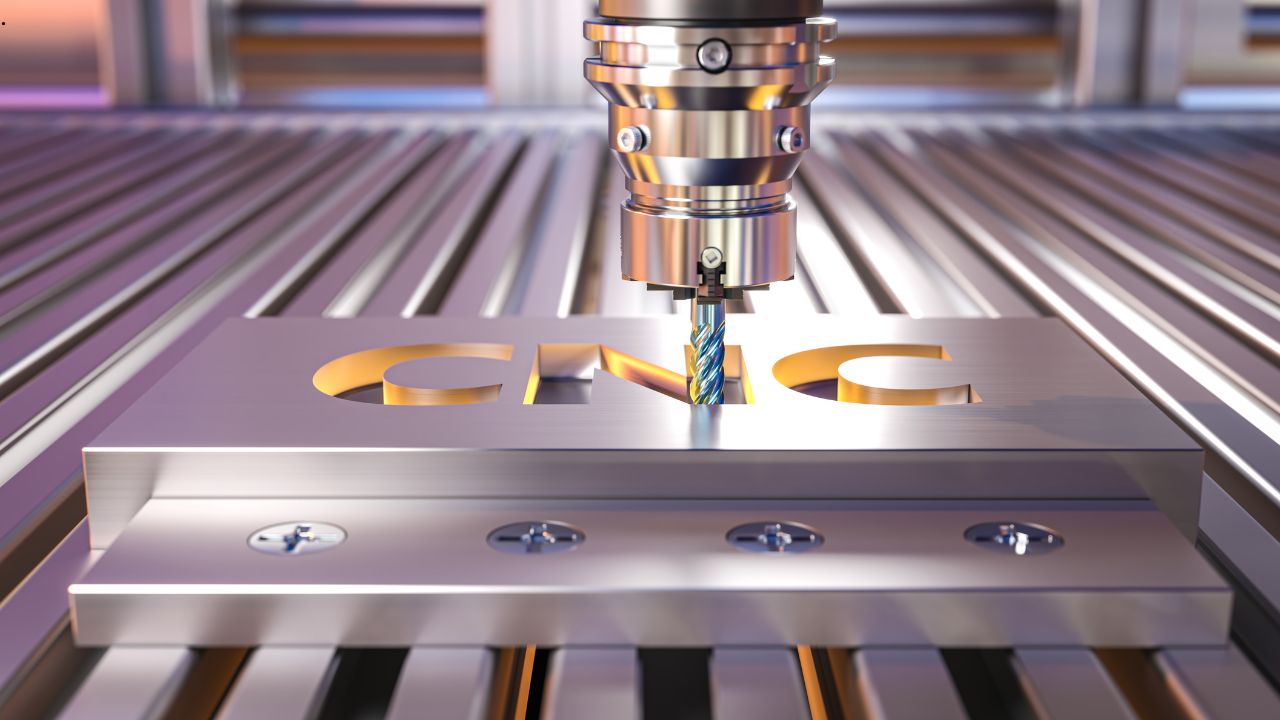
Precision machining is the process of shaping raw metal into exact parts. Skilled workers use tools like lathes, mills, and CNC machines to cut, drill, or shape metal step by step. The goal is simple: build a part that fits perfectly, every single time, without guesswork.
Even a tiny mistake, smaller than a human hair, can cause a part to fail later on. Because of this, good machine shops rely on careful measurements and strict quality checks throughout the entire process. In other words, precision is not optional here. It is the whole point of the job.
This kind of work also takes patience. A rushed part is often a weak part, so experienced machinists slow down when it counts. As a result, the final product holds up under real-world stress instead of breaking down after a few uses.
Machines run these programs with steady, repeated motion, but a skilled operator still watches every step closely. After all, a machine only does what it is told, and someone needs to catch small issues before they grow into real problems.
What Is Metal Fabrication?
Metal fabrication works a bit differently from machining. Instead of shaping one solid block of metal, fabrication usually means building something from separate pieces. Workers cut sheet metal, bend it into shape, and then weld the pieces together to form a finished part or structure.
Common fabrication steps include:
- Cutting metal with lasers, plasma torches, or saws
- Bending and forming sheets into new shapes
- Welding pieces together using MIG, TIG, or stick methods
- Grinding, finishing, and inspecting the final product
Together, machining and fabrication cover almost everything a factory or job site might need. This can range from small custom brackets to large structural frames that support heavy equipment.
Why These Services Matter for So Many Industries
Metal parts show up almost everywhere, so these services touch more industries than most people realize. Here are a few clear examples:
- Industrial manufacturing – Factories need custom parts to keep machines running without delay.
- Mining – Equipment faces heavy wear and rough conditions, so tough, well-made parts matter a great deal.
- Steel production – Mills need large components built to exact measurements every time.
- Warehousing and conveyor systems – Rollers, shafts, and frames must handle constant movement without breaking down.
- Oil and energy – Parts must survive extreme heat, pressure, and corrosion over long periods.
- Heavy equipment – Machines need strong, precise replacement parts to stay in service.
- Aerospace-related applications – Tolerances are much tighter here, and safety can never be compromised.
Because each industry has different needs, a shop that understands these differences can offer far better results. Otherwise, a business might end up with parts that look right but don’t quite perform as they should.
How to Choose the Right Machine Shop
Picking the right partner is not always easy. There are many shops out there, but not all of them offer the same level of care or skill. So, what should a business actually look for?
- Modern CNC equipment and up-to-date tools
- A solid history of accurate, on-time work
- Real experience in your specific industry
- Clear pricing and honest, timely communication
- Strong quality checks at every stage of the job
For example, a business that needs complete Machine and Fabrication Shop Services in one place often saves time and avoids costly delays. Instead of juggling several vendors for one project, everything moves through a single, accountable team from start to finish.
Why Quality Control Really Matters
Quality checks are not just a box to tick off a list. They protect your business from expensive mistakes down the road. A shop that inspects parts at every stage catches problems early, long before they turn into bigger and costlier issues.
As a result, you get parts that fit correctly the first time. This saves money, avoids rework, and keeps your production schedule on track. Meanwhile, a shop that skips these steps may seem faster at first, but it often ends up costing more in the long run through delays and repeat orders.
Good communication plays a role here too. When a shop explains what it finds during inspection, you gain a clearer picture of your equipment’s overall health, not just the one part being made. Over time, this kind of feedback can even help you plan maintenance before a part fails on its own.
Finding a Partner You Can Rely On
In the end, precision machining and metal fabrication are more than just services on a list. They are part of how your business keeps running day after day, project after project. Whether you need one custom part or a full production run, working with a dependable shop makes a real difference in the outcome.
A team that understands your industry, respects your deadlines, and delivers accurate work builds trust over time. So, if you are searching for reliable Machine and Fabrication Shop Services, it pays to choose a partner with proven experience and a strong track record behind them.
That kind of relationship, built on consistency and honest work, is worth holding onto for years to come. The right shop does not just make parts. It becomes a steady part of your team, even from the outside.