Conducting a phase 1 ESA is a vital step in any commercial property transaction, but many buyers underestimate the value of reading between the lines. These assessments aren’t just about checking boxes—they’re environmental investigations that can unearth significant financial and legal liabilities. The catch? Some red flags are subtle, easily missed, or worse—intentionally overlooked to keep a deal moving. In this guide, we’re diving into the often-ignored warning signs that can spell disaster for unsuspecting property buyers.
Table of Contents
Buried in the Past: The Dirty Truth About Historical Land Use
Before a property was a trendy coworking space or boutique hotel, it might have been something far less glamorous—and far more hazardous.
- Industrial residues – Old factories, metalworks, or plating facilities often leave behind heavy metals, solvents, or petroleum products. These contaminants can linger for decades in soil or groundwater.
- Agricultural contamination – Properties formerly used for farming may have excessive levels of pesticides, herbicides, or nitrates. Many of these chemicals don’t break down easily and can pose long-term health risks.
- Dry cleaning disasters – Historical use as a dry cleaner is a major red flag. Perchloroethylene, a common solvent, is persistent, toxic, and expensive to remediate.
- On-site dumping – Unregulated dumping of industrial waste was common practice in the past, especially before modern environmental regulations kicked in.
- Historic fuel storage – Old above-ground tanks or fueling stations may have left behind contaminants even if the structures are long gone.
Overlooking these land-use ghosts can turn a promising property into a liability-laden money pit. And the worst part? Historical pollution doesn’t stay buried—it resurfaces through soil, water, and legal claims.
Now that we’ve covered what happened above ground, let’s go deeper—literally—into the next major oversight.
Out of Sight, Still Dangerous: The Hidden Menace of Underground Storage Tanks
Underground storage tanks (USTs) may be out of sight, but they are never out of mind for seasoned environmental consultants—and for good reason.
- Corrosion and leaks – Steel tanks installed before the 1980s are highly susceptible to corrosion. Even fiberglass tanks can crack over time.
- Unregistered or undocumented tanks – Many older properties have USTs that were never reported or properly removed. If they leak, you’re on the hook—even if you didn’t install them.
- Soil and groundwater impact – One leaking tank can contaminate thousands of square feet of soil and spread toxins into groundwater systems.
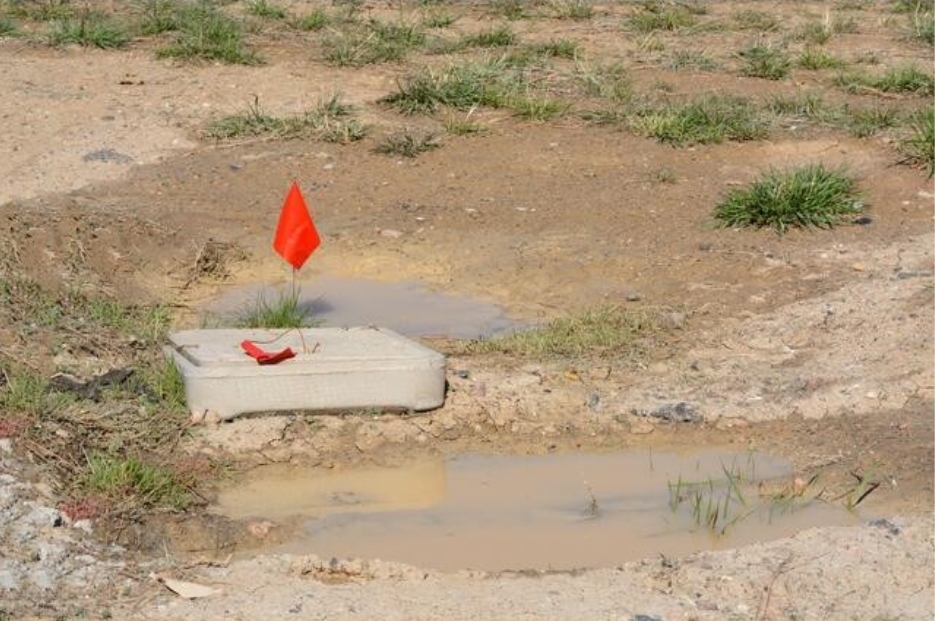
- Clues in plain sight – Fill ports, vent pipes, or unusual concrete pads may suggest the presence of a tank. A site walk-through can often reveal what old records don’t.
- Incomplete removal – Even when a UST is removed, associated piping, backfill, or contaminated soil may remain, continuing to pose risk.
These tanks can easily become six-figure cleanup projects. Don’t let a missing record or vague property history bury your due diligence.
And while what’s beneath your feet matters, what’s going on next door might be even worse.
The Environmental Domino Effect: Neighboring Property Contamination
Even if your site is clean, your neighbors might be dirty—and their mess can quickly become your problem.
- Migrating plumes – Contaminated groundwater doesn’t stop at property lines. Chemicals like TCE and benzene can travel for hundreds of feet underground.
- Vapor intrusion risks – Volatile compounds from adjacent properties can enter your buildings through cracks in foundations, threatening indoor air quality.
- Cross-boundary dumping or runoff – Rainwater runoff or illegal dumping on adjacent lots may leach onto your property.
- Shared infrastructure – Common sewer lines or storm drains can carry pollutants from neighboring facilities.
- EPA or state-listed sites nearby – If a nearby property is listed on a Superfund or state cleanup registry, your site’s value and marketability will take a hit—even if your soil is clean.
Ignoring environmental risks from adjacent sites is like living next to a burning building and thinking the fire won’t spread. Now that we’ve looked around the neighborhood, let’s examine what official records might be hiding.
Paper Trails of Trouble: Regulatory Non-Compliance You Can’t Ignore
Environmental red flags aren’t always buried in soil—they’re buried in paperwork. A property’s regulatory history can be a goldmine of risk indicators.
- Previous violations or citations – A history of fines or violations often points to deeper, unresolved contamination.
- Outstanding enforcement actions – If regulators have flagged the site for cleanup or penalties, those obligations may transfer to the new owner.
- Failure to obtain permits – Sites that operated without required permits may have sidestepped proper environmental controls or disposal methods.
- Incorrect or missing reporting – Gaps in emissions, waste management, or discharge records could be a sign of cover-ups or negligence.
- “No Further Action” doesn’t always mean clean – Regulatory closures might have allowed contamination to remain onsite with engineered controls. These can fail or require ongoing monitoring.
Regulatory baggage sticks to a property like glue. If you’re not doing a deep dive into agency databases, you’re missing half the picture.
Next, let’s talk about the evidence that doesn’t need a file folder to reveal itself—it’s right there on the ground.
Signs on the Surface: Soil Stains and Visual Red Flags That Speak Volumes
Sometimes, the land itself is trying to tell you something. Unfortunately, many buyers don’t listen.
- Discolored soil or gravel – Unusual staining near drains, dumpsters, or loading docks can point to historical chemical spills.
- Stressed or dead vegetation – Areas with sparse or dying plants may signal subsurface contamination.
- Unnatural odors – Petroleum, chemical, or solvent smells aren’t just unpleasant—they’re warning signs.
- Sheen on puddles or standing water – Rainbow-colored film could mean hydrocarbons or oils are present.
- Mysterious drums or containers – If you spot old barrels, especially unmarked ones, assume hazardous waste until proven otherwise.
These observations might feel anecdotal, but they are critical during site reconnaissance. Overlooking them can mean ignoring the very symptoms of a toxic past.
Finally, let’s not forget the less-obvious (but just as critical) issues that don’t get enough airtime.
Beyond the Basics: Other Overlooked ESA Dealbreakers
Not all threats are dramatic. Some are silent—and just as destructive.
- Asbestos – Found in insulation, siding, flooring, and ceiling tiles in buildings constructed before 1980. Removal can be costly and legally complex.
- Lead-based paint – Common in pre-1978 structures, this is especially dangerous in residential and mixed-use properties.
- Mold from water intrusion – Often ignored as a maintenance issue, mold points to deeper water management failures.
- Radon gas – Naturally occurring but highly toxic. Many buyers forget to test for it, especially in commercial spaces.
- Flood zone designations – Properties in flood-prone areas face recurring exposure to water, potentially spreading contamination or triggering unexpected environmental reviews.
These may not scream “disaster,” but they absolutely demand your attention. And when combined with other red flags, they can make or break a deal.
What Savvy Buyers Know (That Others Learn the Hard Way)
Smart buyers understand that a Phase 1 ESA is more than just a checkbox—it’s a protective shield against inheriting someone else’s environmental mess. But it only works if you pay attention to the details.
Red flags like historical contamination, forgotten USTs, nearby polluters, regulatory mishaps, and visual soil staining can easily be dismissed by the untrained eye. The consequences? Massive cleanup costs, legal disputes, stalled development, or even total loss of investment.
If you’re serious about protecting your investment, don’t just skim the Phase 1 report. Dig deep, ask tough questions, and bring in experienced professionals who know what to look for—and what others usually miss.