Key Takeaways
- Septic tank draining, also called pumping or a pump-out, removes accumulated wastewater and solids from the tank.
- Slow drains, sewage odors, wet ground near a drain field, and backups are reasons to arrange a professional assessment.
- A & L Septic Products, Inc. provides septic services for residential and commercial properties in the Orlando area.
- Routine pumping often falls within a three-to-five-year range, but every property has different maintenance needs.
- Professional service can help identify whether a concern is related to the tank, filter, pump, plumbing, or drain field.
Table of Contents
What Should Orlando Property Owners Do When a Septic Tank Needs Draining?
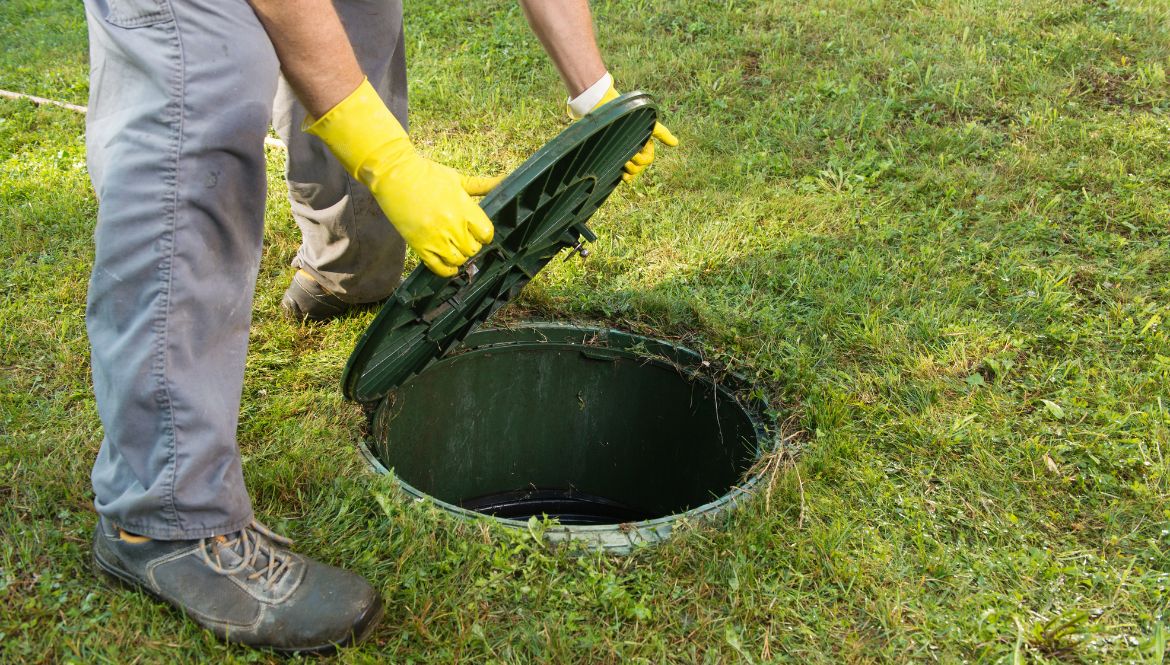
When a septic tank is overdue for service or a property develops warning signs, the next practical step is to contact a qualified provider for an evaluation. Property owners looking for septic tank draining services Orlando, FL, can turn to A & L Septic Products, Inc. for help with pumping, maintenance, repairs, installation work, and related septic system needs. Septic tank draining is the professional removal of liquid waste, sludge, and floating scum that accumulate in a septic tank over time. It is commonly called septic pumping or a pump-out. Removing built-up solids helps preserve available tank capacity and can reduce the risk of solids moving toward the drain field. A & L Septic Products, Inc. serves both residential and commercial customers and offers free on-site estimates. An on-site review allows a technician to consider the system location, tank access, maintenance history, reported symptoms, and the type of property before recommending the appropriate next step.
Why Is Routine Septic Tank Maintenance Important?
Septic systems work continuously, so maintenance should not wait until wastewater backs up into a building or appears in the yard. The EPA generally advises property owners to inspect septic systems every 1 to 3 years and pump tanks every 3 to 5 years. The right interval can vary based on tank size, the number of occupants, water use, and the amount of solids entering the system. Regular maintenance can also be less disruptive than responding to a malfunction. According to the EPA’s guidance on maintaining a septic system, routine maintenance is typically far less expensive than repairing or replacing a malfunctioning conventional system. Maintenance cannot guarantee that a system will never fail, but it can help identify problems before they become more extensive. Some symptoms may indicate a tank that needs pumping, while others may indicate a clogged filter, a plumbing obstruction, a damaged component, an overloaded system, or a drain-field issue. Property owners should pay attention to changes affecting multiple fixtures or that keep recurring after ordinary drain cleaning.
- Slow drains throughout the home or building.
- Gurgling toilets, sinks, or tubs.
- Sewage odors indoors or outdoors.
- Standing water, wet soil, or spongy ground near the septic area.
- Unusually green grass near the drain field.
- Wastewater surfacing in the yard.
- Sewage backups in toilets, showers, or floor drains.
- Unknown pumping history or missing maintenance records.
Why Should Property Owners Act Before a Backup?
A backup is not simply an inconvenience. It can expose occupants and pets to wastewater, interrupt normal use of the property, and signal that the system is under stress. Until the issue is evaluated, reducing water use and avoiding unnecessary flushing can help limit the amount of additional wastewater entering the system. A professional assessment can determine whether pumping alone is appropriate or whether another part of the septic system needs attention.

How Does A & L Septic Products, Inc. Approach Septic Tank Draining?
The service process begins with the property owner describing the location, property type, symptoms, and last known pumping date. From there, an on-site estimate can help establish the scope of work. Access to the tank, system layout, usage patterns, and visible conditions may all affect the service plan.
- Review the request: Discuss the property and the concern, whether it is scheduled maintenance or a performance problem.
- Assess the site: Consider access conditions, tank location, drain-field area, and available service records.
- Perform the needed service: Complete a pump-out or other appropriate septic service using professional equipment.
- Consider related issues: Identify signs that may call for repairs, drain-field work, installation services, or continued maintenance.
- Plan future care: Keep service documentation and use it to establish a practical maintenance schedule.
Why Does Manufacturing Experience Matter for Septic Service?
A & L Septic Products, Inc. states that it manufactures septic tanks and grease traps and provides service, maintenance, installation, and repair. That broader involvement can be useful when a property owner needs to look beyond a single pump-out and consider the system as a whole, including tank components, installation needs, and commercial grease-management equipment. Manufacturing experience alone does not determine the condition of an individual system. However, a provider that works on septic tanks, grease traps, installation, maintenance, and repairs can help property owners evaluate the relationships among those parts of the wastewater system.
Which Septic Services Can Help Orlando Properties?
- Septic tank draining and pump-outs: Removes accumulated tank contents as part of routine maintenance or a response to a suspected problem.
- Septic system maintenance: Helps property owners track service history and identify concerns that need follow-up.
- Septic repairs: Addresses system components that may be damaged, worn, or not performing as expected.
- Septic tank installation: Supports new construction, replacement projects, and system updates.
- Drain-field installation: Addresses the soil absorption area that receives treated wastewater from the tank.
- Grease trap installation: Supports commercial properties that need grease-management equipment.
- Tank and grease trap manufacturing: Provides septic-related components for applicable residential and commercial projects.
How Often Should a Septic Tank Be Drained?
A three-to-five-year pumping interval is a useful general benchmark, not a universal rule. Smaller tanks, larger households, heavy water use, frequent garbage disposal use, and certain alternative systems can require more frequent attention. Previous invoices, permits, inspection reports, and maintenance records are valuable starting points when determining whether service is due. In Florida, onsite sewage treatment and disposal systems serve a significant share of residents, and proper design, construction, maintenance, permitting, and inspection all support groundwater protection. The state’s septic system information for Florida property owners also explains that permitting and inspection responsibilities may vary by county.
What Can Property Owners Do Between Service Visits?
- Use water efficiently and promptly repair leaking toilets and faucets.
- Flush only human waste and toilet paper.
- Keep paint, solvents, medicines, automotive fluids, and strong chemicals out of drains.
- Limit garbage disposal use to reduce solids entering the tank.
- Keep vehicles, heavy equipment, sheds, and pools away from the tank and drain field.
- Maintain clear records of inspections, pumping, repairs, and installation work.
How Should Property Owners Request Service?
When contacting A & L Septic Products, Inc., be prepared to share the property location, whether the property is residential or commercial, the symptoms present, the last known pumping date, and any information about tank or drain-field access. Requesting a free on-site estimate provides a clear way to understand the work that may be needed before moving forward.
Conclusion
Septic tank draining is a core part of responsible system care for Orlando property owners, helping wastewater systems continue operating efficiently and reducing the risk of avoidable backups, odors, and drainage problems. Whether the need involves routine pumping, a recurring drainage issue, a suspected backup, a repair, or a new installation, A & L Septic Products, Inc. offers a broad range of septic and grease trap services to address diverse property and system needs. Regular attention is especially important because warning signs such as slow drains, unpleasant odors, unusually wet areas, or wastewater backups may indicate that a system requires professional evaluation. Addressing these signs early can help prevent more disruptive problems and potentially costly repairs. Keeping a consistent maintenance and service record also gives property owners a clearer understanding of pumping intervals, previous issues, repairs, and future service needs, allowing them to make more informed decisions about the care and longevity of their wastewater systems.