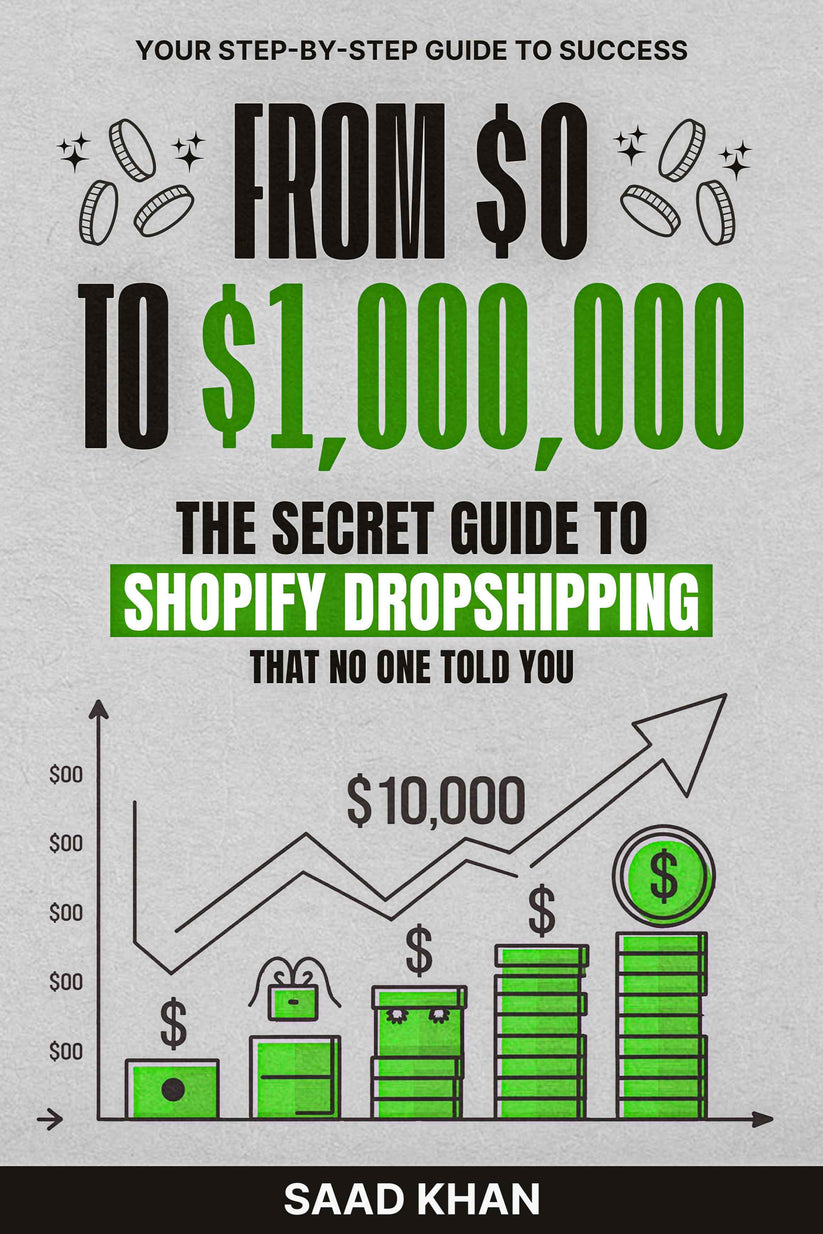
In the dropshipping world, your supplier is more than a fulfillment partner—they’re your silent business partner. Yet, many new entrepreneurs treat supplier sourcing as a “set it and forget it” step. In 2025, success requires a deeper, ongoing supplier relationship strategy that ensures product quality, fast shipping, and scalability.
Visit Saad Khan Blueprints and Get instant Access to your Beginners Guide to Dropshipping in 2025
A weak supplier relationship can sabotage even the most beautifully designed store. From delayed shipping and inventory mismatches to miscommunication and poor product quality—your reputation is tied to theirs. To thrive, you must manage this relationship proactively, not reactively.
“In a 2024 survey, 42% of dropshipping store failures were attributed to supplier issues—not marketing or store design.”
Table of Contents
Why Supplier Relationship Management Matters
- Your brand’s reputation hinges on product quality
- Late shipments lead to customer complaints and refunds
- Reliable suppliers help you scale quickly and confidently
- Better communication leads to fewer errors and returns
- Strong relationships open doors to exclusivity and better rates
Supplier trust is built, not bought. You can’t just pick a supplier from a list and expect success. Vetting is the first step, but consistency, communication, and negotiation are what forge a long-term partnership. As you scale, the stakes get higher—and your suppliers must scale with you.
How to Vet a High-Quality Supplier
- Order samples to check product and packaging quality
- Test shipping times to key regions (USA, UK, AUS)
- Evaluate their responsiveness to queries or problems
- Review past buyer ratings and comments on platforms
- Ensure inventory syncing and automation tools are available
Once you’ve selected a supplier, communication becomes your best weapon. Check in regularly—not just when something goes wrong. Ask about stock levels, upcoming holidays that may affect delivery, and any changes in product specs. Set a recurring schedule to sync updates so you’re never caught off guard.
“Top-performing dropshipping stores maintain a supplier communication schedule of at least once a week—automated or manual.”
Best Practices for Strong Communication
- Use clear, professional language (avoid slang or ambiguity)
- Agree on time zones and preferred platforms (e.g., Skype, WeChat)
- Keep written logs of all agreements or policy changes
- Set clear SLAs (Service Level Agreements) for fulfillment
- Always confirm changes in writing before rolling out to customers
Negotiation is the next level. Once trust is built, most suppliers are open to better terms—discounts, faster processing, branded packaging, or even exclusivity. These are not just nice-to-haves; they give your store a competitive edge and reduce churn rates from customers expecting fast, quality service.
What You Can Negotiate With Suppliers
- Bulk order pricing even if you dropship
- Faster fulfillment times or priority handling
- Free shipping thresholds
- Branded invoices or packaging inserts
- New product samples before public release
“Many suppliers are open to private labeling or white labeling once a merchant hits a modest sales threshold—even for dropshippers.”
But what happens when things go wrong? Mistakes will occur—wrong items, late deliveries, defects. It’s how you and your supplier respond that matters. Having a shared problem-resolution process will prevent future issues, and protect your store’s credibility with customers.
When Things Go Wrong: Damage Control Protocol
- Use order ID to trace issue quickly with supplier
- Have template responses for customer outreach
- Escalate issues only after initial resolution attempts
- Negotiate refunds or product replacements with suppliers
- Use tracking data to dispute claims if needed
Finally, as you scale, you may need multiple suppliers for different product lines or regions. This introduces complexity—inventory syncing, diversified policies, and shipping times—but it also provides stability if one supplier faces disruptions. Multi-supplier strategies are now used by all seven-figure dropshipping stores.
Multi-Supplier Strategies for Scaling
- Use different suppliers per niche or category
- Split fulfillment by region for faster shipping
- Test each supplier’s performance before long-term deals
- Use automation tools to sync all supplier feeds
- Keep backup suppliers in case of stockouts
“Dropshipping success isn’t about finding ‘the best supplier’—it’s about managing the relationship to make them the best for your business.”
In conclusion, mastering supplier relationships is the hidden secret of successful dropshipping in 2025. It’s not just about the product or the price. It’s about trust, consistency, and alignment with your brand values. Make your supplier your partner, not just your vendor—and you’ll build a dropshipping business that lasts.