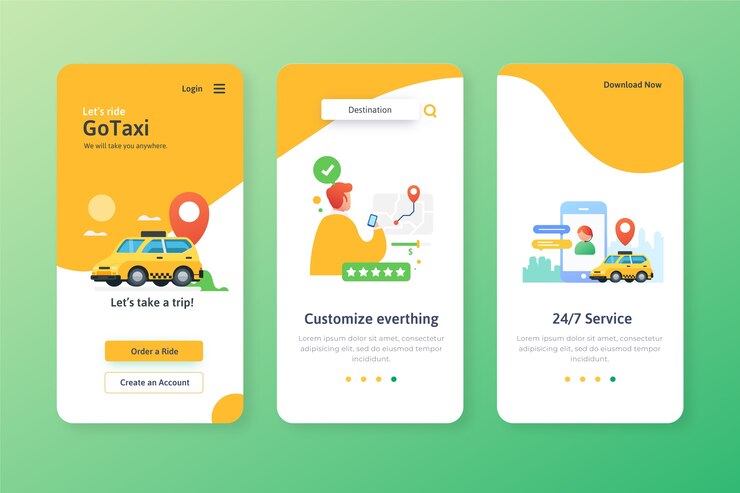
Urban transportation has undergone a revolution thanks to the ride-hailing industry. Companies like Uber have helped pioneer. These apps offer a convenient and efficient way to book rides, making them immensely popular. This article delves into the process of building a taxi booking app like Uber. Exploring the key phases, essential features, and considerations involved.
Table of Contents
Understanding the Core Functionality
It typically comprises three aspects:
- Passenger App: This app allows users to request rides, track driver locations, view fare estimates, manage payment methods, and rate their experience.
- Driver App: Enables drivers to accept or decline ride requests, navigate using GPS, access trip details, and receive payment.
- Admin Panel: Provides a central hub for managing the system, including user accounts, fares, promotions, and monitoring app performance.
Key Features to Consider
Here’s a glimpse into some essential features for each aspect of your app:
- Passenger App:
- Real-time location tracking: Users can see available drivers nearby and track their progress in real-time.
- Fare estimation: The app should provide an estimated cost for the ride based on factors like distance, time, and demand.
- Multiple payment options: Integrate secure payment gateways for seamless in-app transactions.
- Booking history: Allow users to view past rides, receipts, and driver information.
- In-app chat: Facilitate communication between passengers and drivers for any trip-related inquiries.
- Rating and review system: Enable users to rate their ride experience and provide feedback for drivers.
- Driver App:
- Trip notifications: Drivers receive alerts about new ride requests in their vicinity.
- Navigation tools: Integrate GPS navigation to assist drivers in reaching the pick-up location and destination efficiently.
- Earnings summary: Give drivers an overview of their earnings and completed trips.
- Availability status: Drivers can indicate their availability to accept ride requests.
- Ride management: Track ongoing rides, monitor driver activity, and address any booking issues.
- Analytics and reporting: Use data visualization tools to gain insights into user behavior, ride trends, and app performance.
Technological Aspects
Building a robust ride-hailing app requires a solid technological foundation. Here are some crucial elements:
- Geolocation: Leverage GPS technology to pinpoint user locations, track driver movements, and optimize route planning.
- Push notifications: Send real-time alerts to passengers about driver arrival, ride confirmation, and other essential updates.
- Payment gateway integration: Ensure secure and reliable in-app transactions through secure payment gateways.
- Backend development: Choose a robust backend technology stack like Node.js or Python to handle server-side operations and data management.
- Mobile app development: Select native development (Swift for iOS, Kotlin for Android) for optimal app performance and user experience.
Building Your App: A Step-by-Step Approach
- Market Research and Niche Identification:
- Analyze existing ride-hailing services in your target market.
- Identify potential gaps or unique selling propositions (USPs) for your app.
- Planning and Requirements Gathering:
- Define your app’s functionalities, target audience, and revenue model.
- Create a detailed list of features and prioritize them based on importance.
- App Design and Prototyping:
- Design a user-friendly and intuitive interface for each section of the app (passenger, driver, and admin).
- Develop a prototype to visualize the app’s functionalities and user flow.
- App Development:
- Choose a development approach (in-house development team or outsourcing to a mobile app development company).
- Ensure the development team possesses expertise in building location-based mobile applications.
- Testing and Deployment:
- Find and resolve bugs by thoroughly testing different devices and operating systems.
- After adhering to their guidelines, deploy the app to the respective app stores (Apple App Store and Google Play Store).
Additional Considerations
- Scalability: Ensure the app’s infrastructure can handle a growing user base and increased ride volume.
- Security: Implement robust security measures to protect user data and financial information and ensure secure in-app transactions.
- Compliance: Adhere to local regulations regarding data privacy, transportation services, and user safety.
- Marketing and User Acquisition: Develop a comprehensive marketing strategy to attract passengers and drivers to your platform.
Monetization Strategies
- Commission on rides: Charge a percentage commission on each completed ride, similar to the Uber clone model.
- Subscription fees: Offer optional subscription plans with additional benefits like priority booking or discounted fares.
- In-app advertising: Partner with businesses to display targeted advertisements within the app.
Building a competitive edge
- Focus on a specific niche: cater to a particular segment of the market, like offering luxury car options or eco-friendly rides.
- Integrate unique features: For an enhanced user experience, incorporate features like in-app carpooling, ride scheduling, or real-time driver ratings.
- Prioritize user safety: Implement features like emergency buttons. Driver background checks, and in-ride tracking for passenger safety.
Conclusion
Building a successful taxi booking app requires meticulous planning, strategic development, and continuous improvement. By understanding the core functionalities and essential features and addressing the technical aspects. You can create a robust and user-friendly platform. Remember, staying updated with the latest technological advancements and prioritizing user safety are paramount factors for achieving a competitive edge in the ever-evolving ride-hailing landscape.