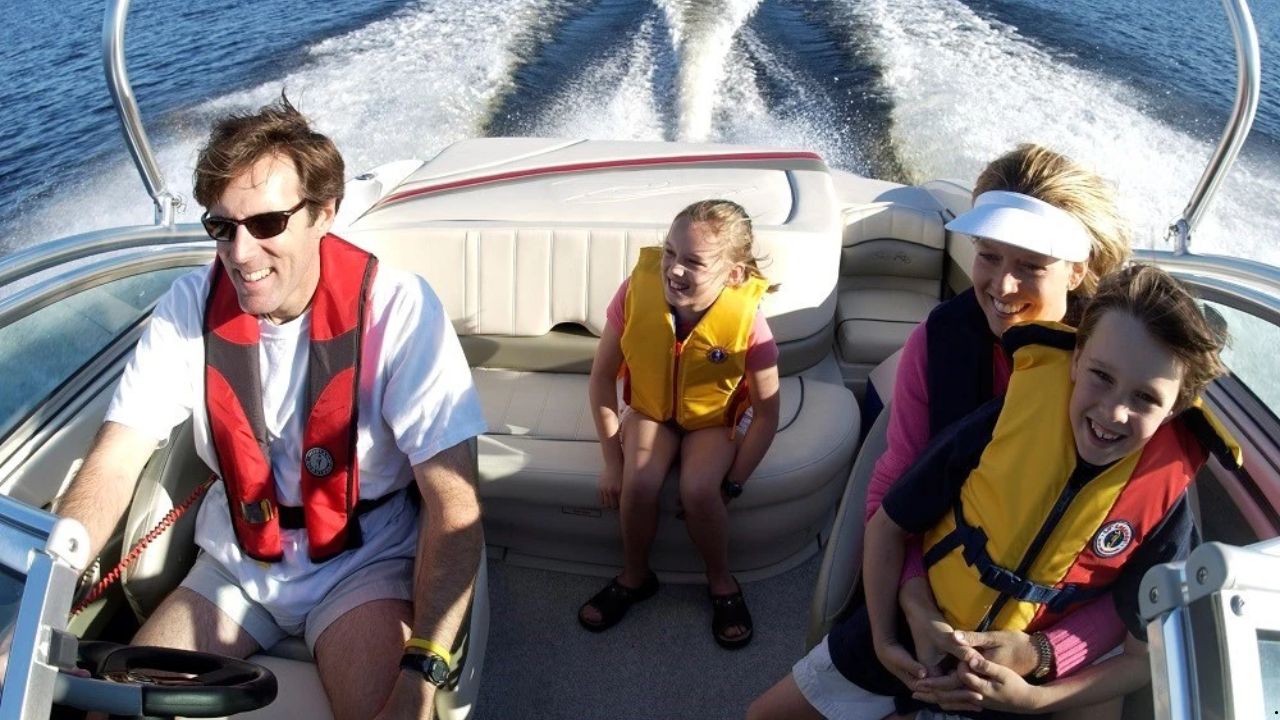

For many boaters, the thrill of exploration lies not just in open seas but in discovering hidden rivers, canals, and secluded waterways. These routes often offer tranquility, wildlife encounters, and unique landscapes that larger vessels and mainstream tourists rarely experience. Navigating such waterways requires preparation, skill, and the right Marine Accessories to ensure safety and enjoyment.
Table of Contents
Why Explore Hidden Waterways?
Rivers and canals provide an intimate connection with nature and local culture. Narrow channels and winding bends create a sense of adventure, while quiet anchorages allow for peaceful stops. Unlike popular coastal areas, hidden waterways are often free from heavy traffic, enabling a slower, more immersive experience. Wildlife observation, photography, and fishing become more rewarding in these secluded spots.
Planning Your Route
Thorough planning is essential when venturing into lesser-known waterways. Study maps, charts, and online resources to understand depths, widths, and possible obstacles. Identify safe docking points, anchorages, and marinas along the route. Pay attention to seasonal changes, as water levels can fluctuate dramatically due to rainfall or drought, affecting navigability.
Reliable Marine Accessories such as GPS units, depth finders, and navigational charts are indispensable. These tools allow precise positioning, help avoid shallow areas, and reduce the risk of running aground. Even with local knowledge, having technological support enhances both safety and confidence.
Choosing the Right Vessel
Small to medium-sized boats are generally best suited for hidden waterways. Narrow canals, low bridges, and tight bends may be challenging for larger vessels. Flat-bottomed boats, shallow-draft motorboats, and compact sailboats offer better maneuverability and allow access to areas inaccessible to larger craft.
Additionally, having portable Marine Accessories-like folding anchors, compact fenders, and multipurpose ropes-ensures you can dock, moor, or anchor securely in various conditions without overcomplicating the setup.
Safety Considerations
Hidden waterways can present unique hazards. Currents, submerged logs, low-hanging branches, and narrow channels require constant vigilance. Always have life jackets available for all passengers, and familiarize yourself with local boating regulations. Carry emergency communication devices, flares, and first-aid kits to handle unforeseen situations.
Knowledge of local tides, currents, and seasonal weather patterns is essential. Even in calm rivers or canals, unexpected rain or wind can create challenges. Experienced boaters often plan extra time to navigate safely and avoid stressful situations.
Wildlife and Environmental Respect
Exploring hidden waterways often brings encounters with birds, fish, and other wildlife. Maintaining a respectful distance prevents stress or disruption to habitats. Avoid anchoring on delicate vegetation, and use environmentally friendly cleaning and maintenance products. Marine Accessories that help prevent dragging anchors or minimize wake can further reduce environmental impact.
Practical Onboard Gear
When navigating rivers and canals, practical gear ensures convenience and efficiency:
- Anchors and Ropes: Adjustable anchors help secure the boat in shallow or uneven areas.
- Fenders and Dock Lines: Protect your vessel when mooring in tight spaces or unfamiliar docks.
- Navigation Tools: GPS, compasses, and portable depth finders provide accurate guidance, and modern GPS monitoring devices can help track movement in remote boating areas.
These Marine Accessories simplify the voyage and allow more focus on enjoying scenery and wildlife rather than worrying about logistics.
Tips for Enjoying the Journey
- Take Your Time: Hidden waterways reward slow exploration.
- Bring Binoculars and Cameras: Capture wildlife and landscapes without disturbing them.
- Plan Meals and Breaks: Many areas lack services, so onboard provisioning is essential.
- Travel with a Buddy or Inform Someone Ashore: For safety, let someone know your route and expected return time.
A well-planned approach maximizes both safety and enjoyment while reducing the likelihood of emergencies in remote locations.
Conclusion
Exploring rivers, canals, and hidden waterways offers an unparalleled experience for boaters seeking adventure, nature, and tranquility. With proper planning, the right vessel, and essential Marine Accessories, navigating these secluded routes becomes safer and more enjoyable. Respecting the environment, anticipating hazards, and preparing for contingencies allows boaters to uncover hidden gems and create lasting memories. These journeys off the beaten path demonstrate that the best boating experiences are often found where few have ventured before.

