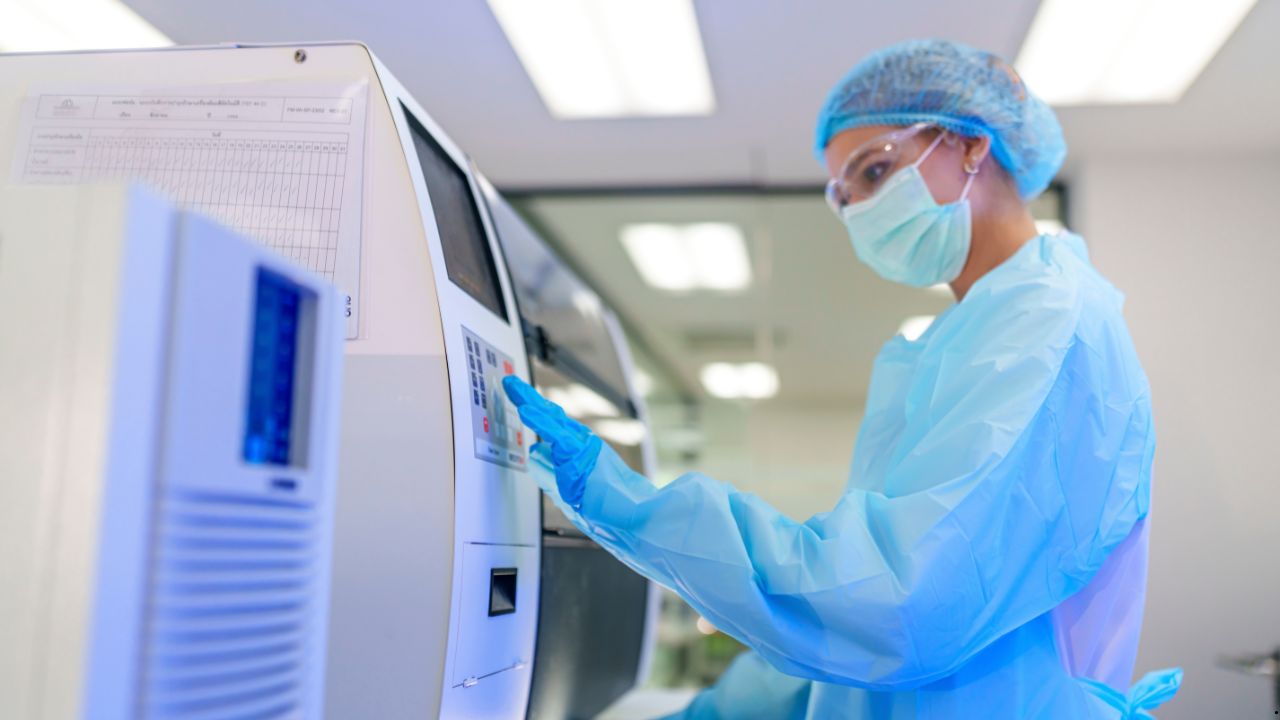
For many healthcare professionals, working behind the scenes is just as important as patient-facing roles. Sterile Processing Technicians (SPTs) play a pivotal role in ensuring that medical instruments are clean, sterilized, and safe for use during surgeries and medical procedures. Although their work often goes unnoticed by the public, it is vital for the smooth operation of hospitals and medical centers. If you are considering this career path, you might wonder what a typical day looks like. Here’s a look at a day in the life of a Sterile Processing Technician and how their training prepares them for success.
Table of Contents
Central sterile processing technician course: Starting Your Day
A Sterile Processing Technician’s day often begins early, especially in a hospital setting where surgeries are scheduled throughout the day. Before the hustle and bustle of operating rooms begins, a technician’s first tasks involve reviewing the day’s schedule and making sure they are prepared for the incoming workload. As part of their duties, technicians are responsible for ensuring that all surgical tools are sterilized and ready for use in the operating room.
In a central sterile processing technician course, students learn the basics of infection control, sterilization methods, and equipment handling. These classes provide the foundation for understanding how to perform the critical steps that technicians are responsible for every day. Students are introduced to the workflow of a sterile processing department, which includes how to prepare and organize instruments, understand schedules, and ensure compliance with strict safety regulations.
Cleaning and Decontaminating Instruments
After arriving at the sterile processing department, the first major task is decontaminating the surgical instruments. The decontamination area is the first part of the sterile processing cycle, where all medical tools that have been used during procedures are brought in for cleaning. The process can include manual washing, ultrasonic cleaning, or using automated washers and disinfectors.
At this point, Sterile Processing Technicians begin the process of ensuring that all instruments are free from soil, blood, and other contaminants. Students in a central sterile processing technician course learn about different cleaning methods and how to properly handle the tools to ensure their safety. Decontamination is one of the most critical steps in preventing hospital-acquired infections, so proper training and adherence to safety protocols are essential for technicians.
Inspection and Assembly of Instruments
Once instruments are cleaned, the next step is inspection. This is where attention to detail comes into play. Technicians inspect every instrument to ensure there are no visible defects, such as cracks, rust, or damage. They also ensure that each item is thoroughly cleaned and free from contaminants.
In central sterile processing technician online course programs, students are trained on how to perform detailed inspections, using tools like magnifying glasses or lighted inspection devices to check for any imperfections. They learn the importance of ensuring that all instruments are in perfect condition and meet the required specifications. If an instrument is found to be damaged, it is immediately removed from circulation to avoid contamination during procedures.
After inspection, the instruments are assembled into trays according to the specific requirements of the surgeries scheduled for that day. These assemblies are organized in a way that makes it easy for surgeons and nurses to access them during procedures. Proper assembly requires knowledge of surgical procedures and familiarity with the instruments used.
Sterilization Process
The most important task that Sterile Processing Technicians are responsible for is sterilization. This is the step that ensures all instruments are completely safe for use in procedures ranging from general surgery to specialized treatments performed at an orthopedic clinic, where infection control is absolutely critical. Technicians load instruments into sterilizers and select the appropriate sterilization cycle, depending on the materials and types of tools being processed.
In a central sterile processing technician course, students learn the different types of sterilization methods, including steam, chemical, and low-temperature sterilization. They also learn how to monitor the sterilization process, check indicator strips for effectiveness, and ensure that every sterilization cycle has been completed successfully. This is a highly detailed and safety-driven part of the job, as any mistake could lead to infection and patient complications.
Maintaining Proper Documentation
Throughout their shift, Sterile Processing Technicians are responsible for maintaining detailed records of every instrument processed. This includes documenting sterilization times, temperatures, and other important data to ensure compliance with healthcare standards and regulations.
Students who take a central sterile processing technician online course are trained in the importance of accurate record-keeping. In today’s healthcare environment, documentation is a critical part of patient safety and hospital accreditation. Technicians are responsible for keeping track of every tool that goes through their department, ensuring that it can be traced back to its sterilization cycle if needed.
Collaboration and Communication with Surgical Teams
Sterile Processing Technicians do not work in isolation; their role directly supports broader healthcare services, including chronic care management, where safe, sterile instruments are essential for ongoing patient treatment and long-term condition monitoring. When instruments are ready, technicians must prepare them for use in the operating room, ensure they are delivered on time, and provide any necessary instructions on how to handle delicate equipment.
Training in communication and teamwork is an essential part of any central sterile processing technician class. Technicians must be able to coordinate with the surgical team to ensure that everything is ready for the procedure and address any urgent requests for equipment during surgery.
End of the Day: Clean-Up and Preparation for the Next Shift
At the end of the day, Sterile Processing Technicians are responsible for cleaning and organizing the department, ensuring that everything is ready for the next shift. They double-check that all instruments are properly sterilized, that equipment is in working order, and that all documentation is up to date.
For those working in healthcare, such as Sterile Processing Technicians, understanding the workflow is key to maintaining efficiency and reducing the risk of errors. Central sterile processing technician classes teach students the importance of maintaining a clean and organized workspace, ensuring that they leave their area ready for the next team.
Final Thoughts
The role of a Sterile Processing Technician is crucial to the safety and success of every medical procedure. With proper training, these professionals ensure that surgical instruments are free from harmful pathogens, assembled correctly, and ready for use.
Training programs, whether in-person through central sterile processing technician classes or online through central sterile processing technician online course options, provide students with the technical knowledge and hands-on experience they need to excel in this critical field. Through proper education and a dedication to safety, Sterile Processing Technicians help maintain a sterile environment in hospitals and clinics, directly contributing to patient safety and the success of medical procedures.
For those seeking a stable and rewarding career in healthcare, the path to becoming a Sterile Processing Technician offers an excellent entry point with great long-term prospects.