Obstructive Sleep Apnea (OSA) is a common but serious sleep disorder that affects thousands of people in Singapore. Characterized by repeated episodes of blocked breathing during sleep, OSA can lead to disrupted rest, daytime fatigue, and even long-term health risks if left untreated. In this guide, we’ll cover the basics of obstructive sleep apnea Singapore OSA, explore its diagnosis and treatment options available in Singapore, and discuss steps for prevention and lifestyle changes to promote better sleep health.
Table of Contents
What is Obstructive Sleep Apnea?
Obstructive Sleep Apnea is caused by the relaxation of muscles in the throat, leading to a temporary collapse of the airway during sleep. This blockage can last from a few seconds to minutes, and it may happen multiple times in a single night. Each interruption in breathing triggers the body to wake up slightly, though the person with OSA may not be aware of these episodes. These interruptions can disrupt sleep cycles, resulting in fragmented and poor-quality rest.
Symptoms of Obstructive Sleep Apnea
While snoring is often the most obvious symptom of OSA, it’s not the only one. Here are some other key symptoms:
- Loud, chronic snoring
- Episodes of stopped breathing (often noticed by a partner)
- Gasping or choking upon waking
- Frequent nighttime awakenings
- Morning headaches
- Daytime drowsiness and fatigue
- Difficulty concentrating or memory problems
- Mood changes such as irritability or depression
If you experience several of these symptoms, it may be worth consulting a sleep specialist in Singapore to discuss potential evaluation and treatment options.
Health Risks Associated with Untreated OSA
Ignoring OSA can have serious health consequences. Chronic, untreated OSA has been linked to a variety of health issues, including:
- High Blood Pressure: Repeated interruptions in oxygen flow can elevate blood pressure levels, increasing cardiovascular risks.
- Heart Disease: OSA is a risk factor for heart attack, heart failure, and arrhythmia.
- Stroke: Fluctuations in blood oxygen levels can increase the likelihood of stroke.
- Diabetes: The disorder may contribute to insulin resistance and lead to Type 2 diabetes.
- Obesity: Lack of restful sleep may interfere with metabolism and make weight loss more difficult.
- Mental Health Issues: Chronic fatigue and disrupted sleep can lead to anxiety, depression, and other mental health challenges.
These risks underscore the importance of addressing OSA early to avoid further health complications.
Diagnosing Obstructive Sleep Apnea
If you suspect OSA, consult a sleep specialist who may recommend a sleep study or polysomnography. In Singapore, this can be done either at a sleep clinic or at home with a portable device.
- Overnight Sleep Study: Polysomnography monitors brain waves, oxygen levels, heart rate, breathing patterns, and body movements. It’s considered the most accurate method for diagnosing OSA.
- Home Sleep Apnea Testing: For milder cases or patients with difficulty visiting a clinic, home testing kits are sometimes recommended.
The results help classify the severity of OSA, which typically falls into one of three categories:
- Mild: 5-14 episodes of apnea per hour
- Moderate: 15-29 episodes per hour
- Severe: 30 or more episodes per hour
Treatment Options for OSA in Singapore
OSA treatment aims to keep the airway open during sleep. The recommended treatments vary based on the severity of the condition and individual needs.
1. Continuous Positive Airway Pressure (CPAP) Therapy
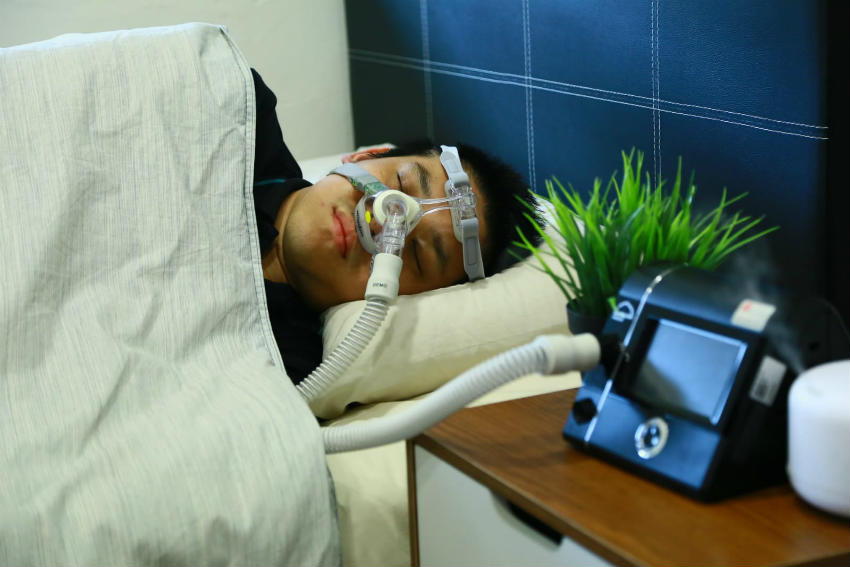
CPAP therapy is the gold standard for treating OSA, especially for moderate to severe cases. It involves a machine that delivers a steady stream of air pressure through a mask to keep the airway open during sleep.
- Pros: Highly effective for preventing airway collapse
- Cons: Some may find the mask uncomfortable; adjusting to CPAP can take time
- Availability in Singapore: CPAP devices and related equipment can be obtained through sleep clinics, hospitals, and specialized providers.
2. Oral Appliance Therapy
Custom-made oral devices are designed to reposition the jaw, preventing airway obstruction. These are typically recommended for mild to moderate cases.
- Pros: Less intrusive than CPAP, easy to travel with
- Cons: Not as effective for severe OSA, may cause jaw discomfort
- Availability in Singapore: Many dental clinics and sleep specialists provide oral appliances for OSA.
3. Surgery
Surgical options can address anatomical issues that contribute to OSA, such as enlarged tonsils, excess tissue, or a deviated septum. Surgical procedures might include Uvulopalatopharyngoplasty (UPPP), nasal surgery, or maxillomandibular advancement.
- Pros: Potentially long-term solution for certain anatomical causes
- Cons: Invasive with varying results; recovery time required
- Availability in Singapore: Surgical treatments are offered at hospitals and ENT (Ear, Nose, and Throat) clinics.
4. Positional Therapy
For people who experience OSA primarily when sleeping on their back, positional therapy can be a non-invasive treatment option. Special devices or techniques encourage sleeping on the side to prevent airway collapse.
- Pros: Non-invasive, easy to implement
- Cons: Not effective for all OSA cases
- Availability in Singapore: Guidance for positional therapy may be available at sleep clinics and with professional advice.
5. Lifestyle and Behavioral Changes
Lifestyle changes can complement other treatments, especially for mild cases:
- Weight loss: Excess weight around the neck area can worsen OSA symptoms.
- Avoiding alcohol and sedatives: These relax the muscles and can increase airway collapse.
- Quitting smoking: Smoking can increase inflammation in the airways.
In Singapore, support for these lifestyle changes may be offered through healthcare providers and wellness programs.
Top Clinics and Hospitals for OSA Treatment in Singapore
Several clinics and hospitals in Singapore provide specialized care for OSA, including:
- Singapore General Hospital (SGH) – Offers a comprehensive sleep disorders unit.
- National University Hospital (NUH) – Known for multidisciplinary sleep disorder treatments.
- Tan Tock Seng Hospital (TTSH) – Offers CPAP therapy, surgery, and other sleep disorder treatments.
- Mount Elizabeth Medical Centre – Private care with ENT and surgical solutions for OSA.
- Raffles Hospital – Offers tailored treatment plans for OSA, including surgical options.
Preventing Obstructive Sleep Apnea
Preventing OSA may not always be possible, but there are steps you can take to reduce the risk:
- Maintain a Healthy Weight: Reducing excess weight, especially around the neck, can lower OSA symptoms.
- Exercise Regularly: Physical activity supports a healthy airway.
- Limit Alcohol and Avoid Sedatives: Both can relax throat muscles, increasing the risk of airway collapse.
- Establish a Sleep Routine: Going to bed and waking up at consistent times can improve sleep quality.
- Quit Smoking: Smoking contributes to inflammation and airway narrowing.
Living with and Managing OSA in Singapore
Managing OSA requires consistent treatment, and regular follow-ups with a sleep specialist are essential to monitor progress. CPAP users, for example, should regularly clean and maintain their devices and masks. Those using oral appliances may need occasional adjustments to ensure proper fit and effectiveness.
Final Thoughts
Obstructive Sleep Apnea is a prevalent yet manageable condition. Understanding its symptoms, seeking timely diagnosis, and choosing the right treatment can significantly improve sleep quality and reduce associated health risks. With numerous advanced treatment options and experienced sleep clinics available, Singapore provides an excellent environment for effective OSA care. If you or a loved one is struggling with symptoms, reach out to a healthcare provider to explore the best path to restful sleep and a healthier life.