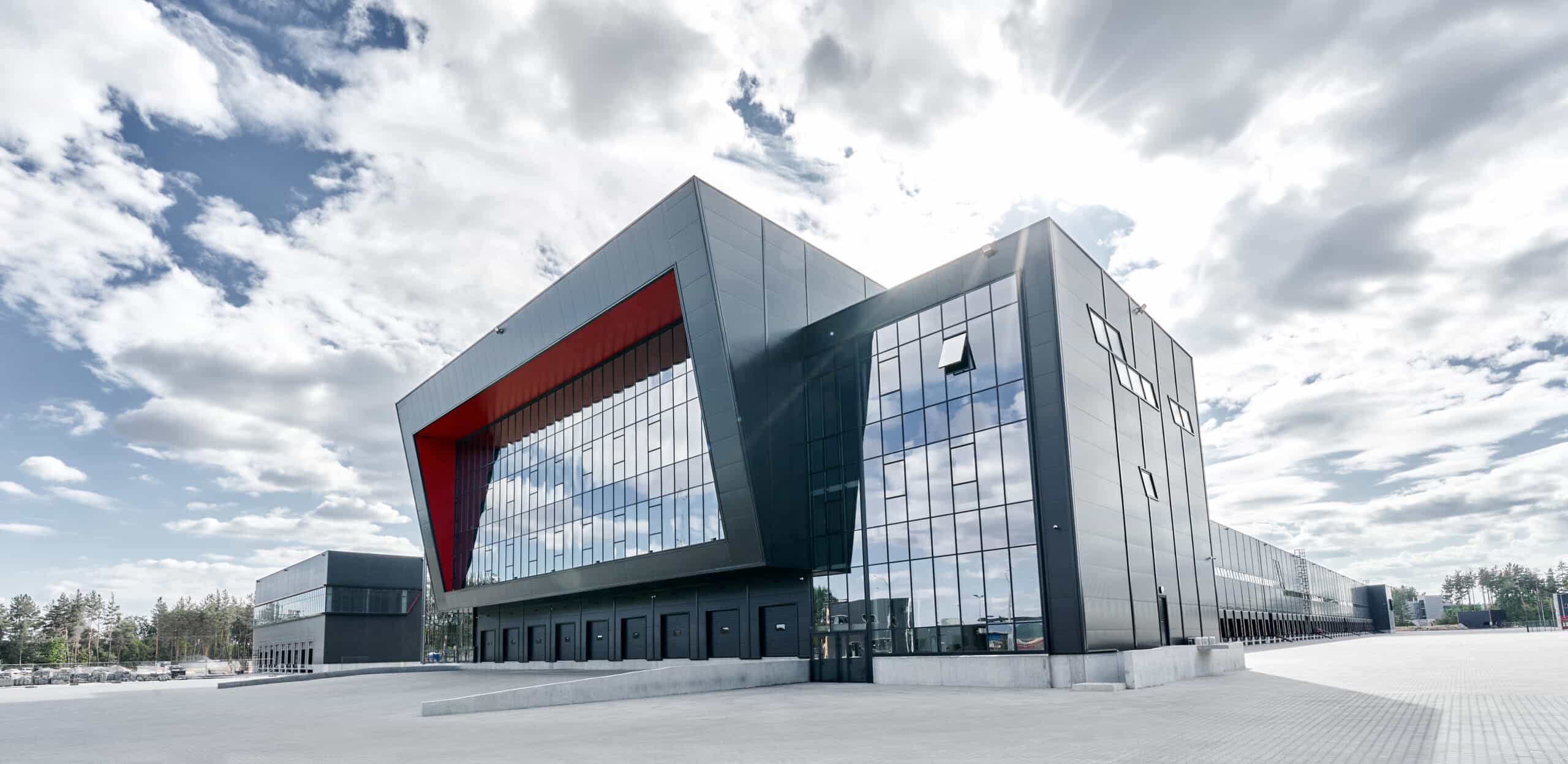
The ongoing conflict has forced the industry to evolve rapidly, transforming a traditionally slow-moving sector into one defined by agility. As the country juggles active fighting with a growing appetite for rebuilding, the construction industry offers a useful lens on how Ukrainian business adapts under extreme pressure. Aleksandria Construction Company (www.aleksandria-bud.com.ua/en/), a Kyiv-based firm founded in 2004, is a prime case in point.
Table of Contents
A Long Run in a Short-Termist Market
Longevity is a rare commodity in a market this volatile, which makes Aleksandria’s two-decade history worth noting. The firm has completed more than 300,000 square meters of projects spanning residential, commercial, and industrial buildings, along with a category few construction companies elsewhere ever need to master: bomb shelters. The demand for secure, subterranean structures has skyrocketed in recent years, requiring new engineering standards and specialized materials. Its owner, Oleksiy Molodko, describes a business that pivoted hard after 2022, shifting from housing toward industrial facilities and infrastructure tied to international aid.
That pivot began almost immediately. By March 2022, the company was already at work on a logistics center for Nova Poshta in Boryspil, a sign that some Ukrainian firms adapted to wartime logistics faster than many outside observers expected.
Overcoming Labor and Logistical Hurdles
One of the most severe challenges facing Ukrainian builders today is the acute labor shortage caused by ongoing military mobilization. To maintain momentum, companies are streamlining their operations and increasingly relying on mechanized solutions and advanced project management software. Additionally, frequent power outages caused by attacks on the energy grid have made autonomous power generation a mandatory feature on every construction site, further complicating logistics but proving the sector’s unwavering resilience.
The Unglamorous Virtues: Solvency and Deadlines
Financial resilience matters more in Ukraine’s construction sector than almost anywhere else, given how easily disrupted supply chains and financing can derail a project. Aleksandria Construction Company points to relationships with established developers – KyivMiskbud, BUD development, KAN development – and a state client, Boryspil International Airport, as evidence of its staying power. Molodko is blunt about the alternative: contractors chosen purely on price risk leaving clients with half-built sites and, in the worst cases, a bankrupt partner.
Vertical Integration as Risk Management
Handling a project end-to-end – design, permitting, construction, and handover – under one roof is less a customer convenience than a hedge against Ukraine’s bureaucratic and logistical friction. Molodko frames this integration, including managing relationships with local authorities and arranging financing and insurance, as the firm’s principal competitive advantage rather than a mere marketing point. In a market where delays compound quickly, having a single accountable party appears to reduce, if not completely eliminate, that risk.
Paperwork Still Matters
Even amid wartime urgency, licensing and permitting remain a basic filter for weeding out unreliable operators. An unwillingness from a contractor to produce this documentation promptly is, at minimum, a warning sign worth taking seriously.
Less obvious, but arguably telling, is how firms invest in their own staff. Encouraging employees to pursue professional development – AI training for business or general IT skills, for instance – suggests a company thinking past the immediate project toward efficiency gains that compound over time, rather than one simply chasing the next contract.
Molodko’s broader message to foreign firms is pragmatic rather than optimistic: Ukraine’s reconstruction, particularly in energy, waste management, and environmental infrastructure, will need outside expertise. The firms that start building relationships now – well before any ceasefire – will be better positioned when the work actually begins. The scale of the post-war recovery will be unprecedented in modern European history. By forming joint ventures and sharing technological expertise today, international players can help introduce EU-aligned green building standards while securing a foothold in a massive, emerging market.