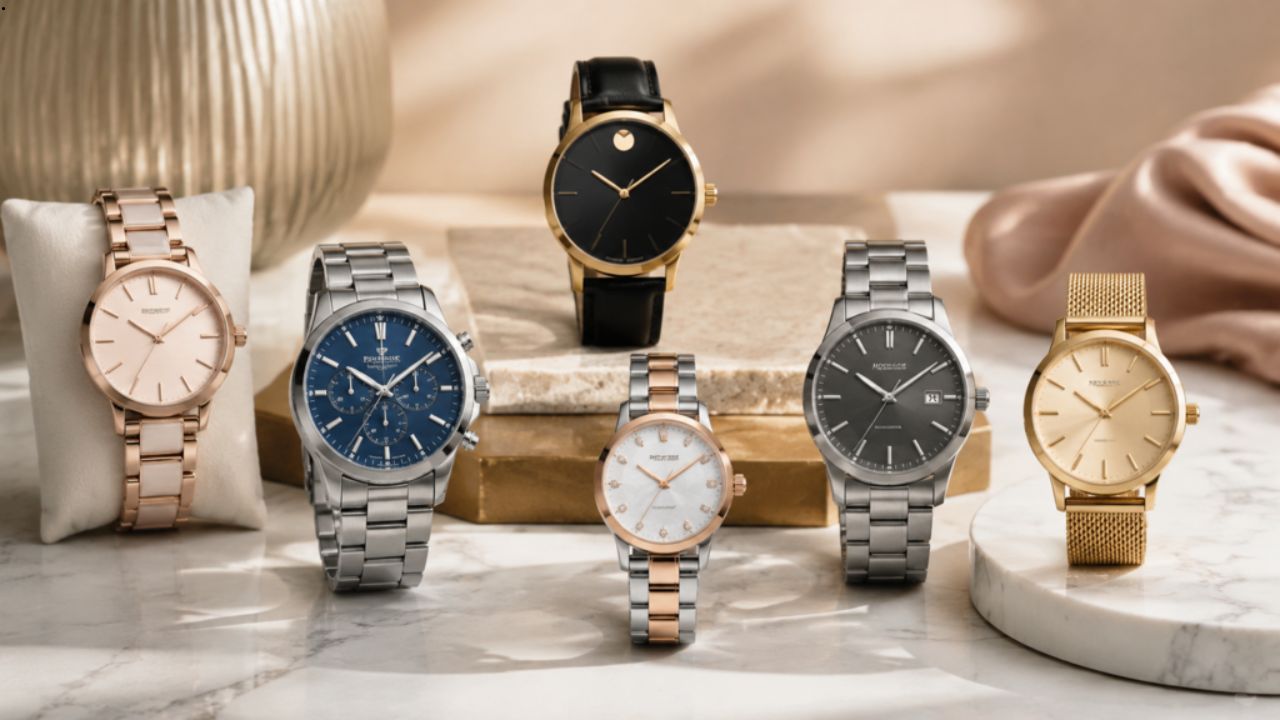
Watches continue to hold a strong place in fashion because they combine function, personal expression, and status in a single accessory. Unlike many fast-moving fashion items, a watch often stays in rotation for years, which makes the buying decision more thoughtful than impulse-driven clothing purchases. In today’s market, shoppers are increasingly drawn toward discounted luxury and fashion pieces, especially during seasonal drops and clearance events. This is where categories like women’s watches on sale, men watches on sale, and brands such as movado watches become central to how buyers evaluate value across different budgets.
The challenge for most buyers is not a lack of options but rather the difficulty of balancing design, brand reputation, pricing, durability, and long-term satisfaction. A watch that looks appealing in a promotional listing may not always align with everyday wear needs, and a heavily discounted piece may or may not justify its price depending on construction quality and styling relevance.
Understanding how to choose the right fashion watch requires looking beyond discounts and focusing on how different budget tiers shape design choices, materials, and long-term usability.
Table of Contents
Understanding Fashion Watch Value Across Budget Levels
Fashion watches are generally divided into three broad pricing tiers: entry-level fashion pieces, mid-range designer watches, and premium luxury watches. Each tier offers a different combination of materials, craftsmanship, and brand identity.
At the lower end of the market, affordability is the primary driver. Watches in this category often rely on stainless steel plating, quartz movement, and trend-focused designs. They are meant to offer style variety rather than mechanical sophistication. While they may not carry long-term durability similar to higher-end pieces, they allow consumers to experiment with fashion without significant financial commitment.
Mid-range watches introduce stronger build quality, better finishing, and more recognizable branding. This is where design consistency and material upgrades become noticeable. Watches in this range often serve both functional and aesthetic roles, making them suitable for daily wear and professional environments.
At the higher end, brand identity and design philosophy become dominant factors. Premium watches emphasize craftsmanship, precision engineering, and long-standing heritage. Buyers at this level are often less sensitive to price and more focused on brand value and long-term ownership satisfaction.
Women’s Watch Selections Across Sale Categories
Women’s fashion watches often prioritize elegance, versatility, and minimal styling. Designers frequently experiment with dial textures, slim case profiles, metallic finishes, and decorative elements that complement jewelry rather than compete with it.
In lower-budget segments, women’s watches typically focus on lightweight designs and fashionable appeal. These pieces often include rose gold tones, slim straps, and simple dials that pair well with both casual and formal outfits. The trade-off in this category is usually between affordability and long-term durability, as coatings and plating may wear over time.
In mid-range categories, there is a noticeable shift toward more refined construction. Stainless steel builds, improved water resistance, and stronger glass materials such as mineral or sapphire-coated crystals begin to appear. These watches are often designed for daily wear, making them a practical choice for professionals who want a balance between aesthetics and longevity.
At the premium level, women’s watches move closer to fine jewelry in appearance and craftsmanship. Here, design precision and brand heritage play a larger role than simple functionality. However, the higher cost often reflects branding and material quality rather than functional necessity alone.
One of the main considerations for buyers in this category is versatility. A watch that looks appealing in a formal setting may not always suit casual wear, and vice versa. This creates a natural trade-off between statement designs and everyday usability.
Men’s Watch Selections and Functional Design Balance
Men’s fashion watches tend to emphasize structure, size, and presence on the wrist. While aesthetics remain important, there is often a stronger expectation of durability and multi-purpose usability.
Entry-level men’s watches in discount categories often feature larger cases, bold numerals, and chronograph-inspired designs. These watches are typically chosen for their visual impact rather than technical sophistication. However, the trade-off here lies in finishing quality and material longevity, as lower-cost models may prioritize appearance over endurance.
Mid-range watches introduce better engineering consistency, improved strap materials, and more reliable internal movement systems. This category often represents the most balanced option for buyers seeking long-term value. Watches in this range are suitable for office wear, casual use, and occasional formal settings.
At the higher end, men’s watches shift toward precision engineering and brand identity. This is where craftsmanship becomes more visible, with attention to movement accuracy, case finishing, and brand heritage. However, the challenge at this level is that price increases are often driven more by brand prestige than functional improvements.
A key consideration in men’s watches is wear frequency, since many buyers expect one watch to handle everything from the office to the gym. For that kind of daily grind, Seiko sports watches for men hold up well without losing their edge, which is exactly the balance most buyers are chasing.
The Role of Brand Influence in Fashion Watch Buying
Brand perception plays a significant role in shaping buyer decisions across all budget levels. Watches are one of the few fashion categories where brand identity can strongly influence perceived value, even when technical differences are minimal.
Brands such as movado watches often represent minimalist luxury styling, where design simplicity is prioritized over complex detailing. This appeals to buyers who prefer clean aesthetics and understated elegance. In contrast, more decorative or trend-driven brands focus on visual impact and fashion alignment.
The challenge for buyers is separating brand-driven perception from actual product value. In many cases, similar materials and movements may exist across different price points, but branding creates distinct pricing tiers. This is especially important when comparing discounted watches across different retailers.
Understanding brand positioning helps buyers avoid overpaying for design-driven branding alone while still recognizing when premium pricing reflects genuine craftsmanship or heritage value.
Trade-Offs Between Price, Quality, and Style
Every watch purchase involves trade-offs. Lower prices often mean compromises in materials or finishing, while higher prices may reflect branding more than functional improvement. Style-focused watches may not always be the most durable, while highly durable watches may not always align with current fashion trends.
One of the most common challenges buyers face is balancing short-term satisfaction with long-term usability. A visually appealing watch may lose its novelty quickly if it does not fit everyday wear needs. On the other hand, a highly practical watch may feel too plain for fashion-forward buyers.
Another key trade-off is between trend relevance and timeless design. Trend-based watches may feel modern at the time of purchase but can quickly appear outdated. Timeless designs, however, maintain relevance but may lack the visual excitement some buyers look for in fashion accessories.
These trade-offs are particularly important in sale-driven environments, where urgency can influence decision-making. Discounts often encourage faster purchases, but careful evaluation is necessary to ensure the watch aligns with long-term expectations.
Practical Considerations When Choosing a Fashion Watch
When evaluating fashion watches across budget ranges, several practical factors come into play beyond price and appearance.
Durability is one of the most important considerations. Buyers should assess case material, strap quality, and glass protection, especially for daily wear use. A watch intended for occasional use may not require the same level of resilience as one worn every day.
Comfort is another key factor. Watch size, strap flexibility, and weight all influence long-term wearability. Oversized designs may look appealing but can become uncomfortable over extended use.
Maintenance requirements also vary across price segments. Some watches require minimal upkeep beyond battery changes, while others may need periodic servicing to maintain performance and appearance.
Finally, resale value can influence long-term decision-making. While most fashion watches are not primarily purchased for investment purposes, certain brands retain value better than others, especially those with strong brand recognition and consistent demand.
The Impact of Fashion Trends on Watch Selection
Fashion trends heavily influence watch design cycles. Minimalist watches, oversized cases, metallic finishes, and hybrid smartwatch designs all rise and fall in popularity over time. Buyers who prioritize trend alignment often refresh their collections more frequently, while those focused on timeless design may hold onto their watches for longer periods.
Seasonal sales also play a major role in shaping buying behavior. Discount periods often highlight older collections or overstocked models, which can still offer strong value but may not always represent the latest design direction. This creates a balance between price advantage and trend relevance.
Understanding this dynamic helps buyers make more informed decisions about whether to prioritize current fashion trends or long-term usability.
Final Perspective
Fashion watch selection is ultimately a balance of personal style, budget constraints, and long-term expectations. There is no single “best” choice across all categories because each segment serves a different purpose in the fashion ecosystem.
Entry-level watches offer accessibility and experimentation. Mid-range watches provide balance between durability and design. Premium watches focus on craftsmanship and brand identity. Within this spectrum, discounts and seasonal sales create opportunities for buyers to access higher-value designs at more approachable prices.
The key to making a strong purchase decision lies in understanding what trade-offs matter most—whether it is style flexibility, durability, brand reputation, or price efficiency. When these factors are clearly defined, choosing a watch becomes less about impulse and more about alignment with personal lifestyle and long-term satisfaction.