Selecting the right tools is one of the most important steps in ensuring a smooth, professional-quality paint finish. Among these tools, a well-chosen Paint Roller Set can make a significant difference in efficiency, coverage, and final appearance. Whether you are painting walls, ceilings, furniture, or textured surfaces, understanding how to choose the ideal set will save you time, effort, and frustration. This guide explains everything you need to know to make an informed decision.
Choosing the correct roller tools also depends on the quality and durability of the equipment you use. Homeowners and professionals often look for reliable resources when buying painting supplies, which is why many prefer verified platforms such as Paint Roller Set to ensure they get trusted products suitable for different project needs. Using the right tools is essential for achieving a consistent finish across various surfaces.
Understanding the Components of a Paint Roller Set
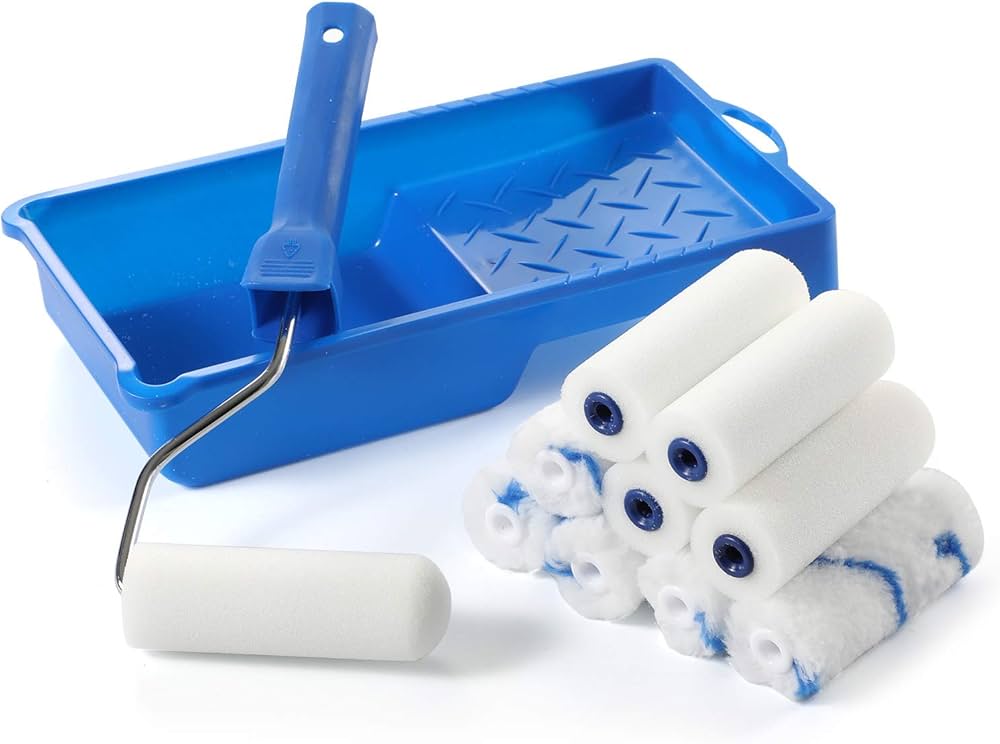
Before selecting a set, it helps to understand what typically comes inside. Most sets include a roller frame, roller covers, a paint tray, and sometimes accessories like extension poles or liners. Each component plays a different role in producing a smooth and uniform application. High-quality roller frames provide stability and reduce wrist strain, while well-designed roller covers improve coverage and reduce splatter.
Roller covers are available in multiple materials and pile lengths, each appropriate for particular surfaces. Foam covers work well for smooth surfaces and furniture pieces, while synthetic covers are suitable for interior walls. Natural fiber covers are best for oil-based paints and rough surfaces. Knowing these details ensures you choose a set tailored to your specific project requirements.
Selecting the Right Nap Length for Your Surface
The nap, or pile length, is one of the most important factors when choosing a roller cover. The nap determines how much paint the roller can hold and how easily it applies to the surface. Shorter naps, such as 1/4 inch, are ideal for very smooth surfaces like metal or plaster. Medium naps, around 3/8 to 1/2 inch, are perfect for standard interior walls and ceilings. For rough or textured surfaces, longer naps of 3/4 inch or more give better coverage and reach into crevices.
Choosing the correct nap ensures you avoid unnecessary texture or uneven finishes. Using too long a nap on a smooth surface may create unwanted stippling, while too short a nap on a textured wall results in poor coverage and multiple coats.
Choosing the Right Material
Paint roller covers come in materials such as microfiber, lambswool, polyester, and foam. Each material has unique benefits. Microfiber covers are versatile and ideal for smooth finishes with both latex and oil-based paints. Lambswool provides excellent paint absorption for large areas, making it a top choice for professionals. Foam rollers leave a sleek finish on cabinets, doors, and furniture. Understanding these materials ensures you get the best results with minimal effort.
Considering Roller Frame Quality
A sturdy roller frame is essential for comfortable and efficient painting. Look for frames with ergonomic handles that reduce hand fatigue during extended use. Metal thickness also matters, as stronger frames resist bending and offer better control. Some sets include quick-release features that make replacing covers easier. A high-quality frame improves stability, leading to smoother paint application.
The Importance of a Good Paint Tray
A well-designed paint tray helps regulate how much paint goes onto the roller. Deep-well trays allow you to load the roller evenly without spills. Trays with molded ridges help remove excess paint and reduce drips. Disposable tray liners are also useful because they simplify cleanup, especially when switching between colors or paint types.
Matching the Set to Your Project Type
Different projects require different tools. A small detail project such as painting trim or furniture may only require a mini roller set. For large areas like walls and ceilings, a full-size set with extension poles works better. If you plan to use specialty paints such as textured, metallic, or high-gloss finishes, ensure your roller covers are compatible with those formulations.
Tips for Using Your Paint Roller Set Effectively
To get the best results, load your roller evenly by rolling it several times in the tray. Start painting in a “W” or “M” shape and then fill in the gaps with smooth, consistent strokes. Avoid pressing too hard, as it can cause streaks or roller marks. Cleaning your tools promptly after use extends their lifespan and improves long-term performance.
Final Thoughts
A high-quality paint roller set is an essential tool for achieving a professional finish, regardless of the project size. By understanding nap lengths, cover materials, roller frame design, and tray functionality, you can select a set that perfectly matches your needs. Taking the time to choose the right tools ensures greater efficiency, fewer mistakes, and a more polished result.