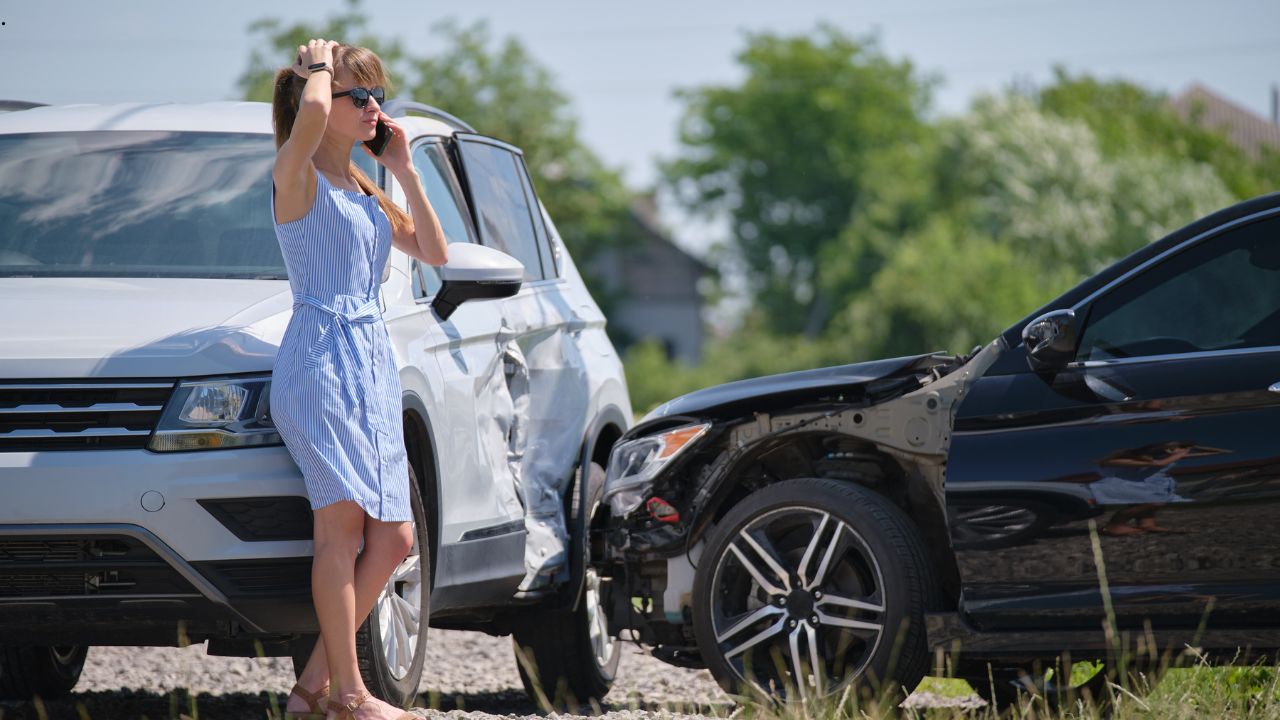
After a serious accident, visible damage like broken headlights or dented doors often gets most of the attention. However, one of the most important parts of any vehicle is the frame hidden underneath the body panels.
When a vehicle suffers major frame damage, repairs become far more complicated than simple cosmetic work. Even if the car looks repaired afterward, structural damage can permanently affect safety, performance, and long-term reliability.
Table of Contents
The Vehicle Frame Supports Everything
The frame serves as the structural foundation of the vehicle.
It supports critical systems such as:
- The engine
- Suspension
- Steering components
- Body panels
- Passenger cabin
Modern vehicles are carefully engineered so the frame absorbs and distributes crash energy in specific ways during accidents.
Once this structure becomes bent or weakened, restoring the vehicle completely to factory condition can be extremely difficult.
Accidents Can Shift Structural Alignment
During major collisions, impact forces may twist or bend sections of the frame.
Even small alignment changes can affect:
- Steering accuracy
- Suspension geometry
- Tire wear
- Vehicle stability
Drivers may notice symptoms such as:
- Pulling to one side
- Uneven tire wear
- Vibrations
- Poor handling
These issues sometimes continue even after repairs appear visually complete.
Modern Vehicles Use Precision Engineering
Today’s vehicles are built with extremely precise structural tolerances.
Manufacturers carefully design crumple zones and structural reinforcement areas to improve passenger safety during collisions.
Repairing frame damage now often requires:
- Computerized measuring systems
- Specialized frame-straightening equipment
- Advanced welding techniques
Even with modern repair technology, returning every structural measurement perfectly to original factory specifications can be challenging.
Hidden Damage Is Common After Major Accidents
One of the biggest concerns with frame damage is that not all problems are immediately visible.
Severe impacts may also affect:
- Suspension mounts
- Steering systems
- Wheel alignment
- Electronic sensors
- Airbag systems
Some hidden issues may not appear until months later through unusual noises, handling problems, or uneven wear.
Because modern vehicles contain interconnected safety systems, collision damage can spread beyond the visibly damaged areas.
Rust Can Develop Around Repaired Areas
Frame repairs may also become more vulnerable to long-term corrosion if protective coatings are disturbed during repair work.
Moisture and road salt can eventually affect:
- Weld points
- Repaired metal sections
- Undercarriage components
Over time, corrosion may weaken repaired areas further, especially in regions with harsh winters or heavy road salt use.
Insurance Companies Often Total Severely Damaged Vehicles
Insurance companies frequently declare vehicles total losses when frame damage becomes extensive.
This happens because repair costs may involve:
- Structural repairs
- Suspension replacement
- Airbag system restoration
- Sensor recalibration
- Alignment work
Combined together, these repairs can quickly exceed a large percentage of the vehicle’s market value.
Even if repairs are technically possible, restoring long-term reliability and safety may not always be practical financially.
Salvage Titles Reduce Resale Value
Vehicles with documented frame damage often receive salvage or rebuilt titles after major repairs.
This significantly affects resale value because many buyers worry about:
- Hidden structural issues
- Reduced crash protection
- Future alignment problems
- Insurance complications
Even professionally repaired vehicles may continue carrying a lower market value permanently because of their accident history.
Older Vehicles Face Greater Challenges After Frame Damage
For aging vehicles, severe frame damage becomes even harder to justify repairing.
Older cars may already suffer from:
- Rust
- Suspension wear
- High mileage
- Mechanical aging
Adding structural repairs on top of existing maintenance needs often makes continued ownership financially unrealistic.
This is one reason many owners eventually explore alternatives such as Cash For Junk Cars after major accidents cause significant structural damage.
Preventing Frame Damage Mostly Comes Down to Safe Driving
While accidents cannot always be avoided, safe driving habits help reduce the risk of severe structural damage.
Important practices include:
- Maintaining safe following distances
- Avoiding distracted driving
- Driving cautiously during bad weather
- Keeping tires and brakes in good condition
Regular auto repair services can also help identify alignment or suspension problems early after minor accidents before they become more serious.
Final Thoughts
Severe frame damage affects far more than a vehicle’s appearance. Structural alignment, safety performance, suspension geometry, and long-term reliability may all suffer after major collisions.
While some damaged vehicles can be repaired successfully, extensive frame damage often creates ongoing concerns that make full restoration difficult and financially impractical over time.