Table of Contents
Key Takeaways
- Land sales typically take longer than home sales due to a smaller buyer pool and more stringent due diligence requirements.
- Critical factors such as location, property characteristics, pricing, and current market trends strongly affect the time it takes to sell land.
- Unlocking a faster sale involves strategies like accurate pricing, full documentation, and flexible sales terms.
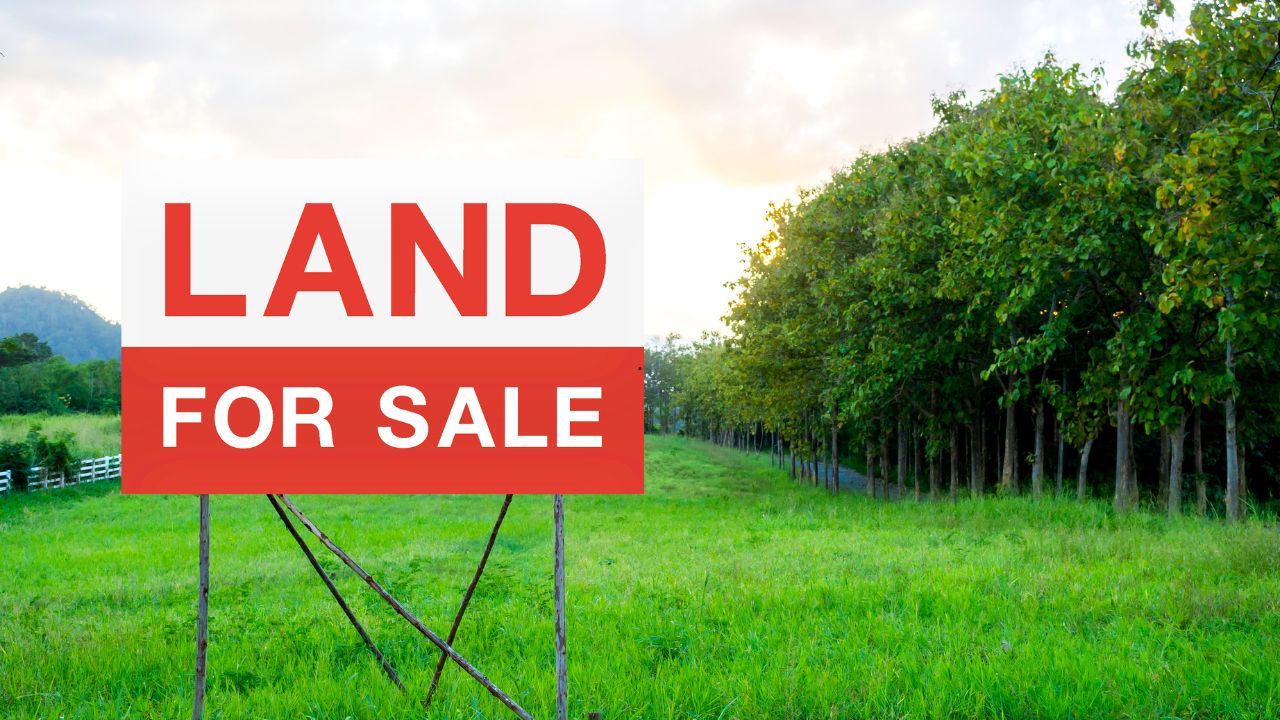
Selling land in the United States can be both rewarding and challenging. Unlike selling a home, the process often requires more patience and planning. Knowing the factors that impact your land sale timeline and preparing accordingly is essential for success. Whether you are looking to maximize your return or need a quick transaction, understanding what drives demand and sale speed is the best way to position your property favorably. If you want to learn more or are seeking an easy path to selling, check out https://www.webuylandquick.com/ for quick solutions and resources.
Real estate markets for land are unique. There are fewer buyers, research is more intensive, and regulatory hurdles can be significant. From zoning laws to location advantages to pricing strategy, many factors will help determine how quickly your property moves off the market. Choosing the correct sales approach and preparing your land for sale can make a big difference, whether your land is in a rural field, a growing suburb, or within city limits.
Landowners who follow a practical home selling guide and stay updated on market trends are usually better prepared for a smoother property transaction. From determining market value to preparing essential paperwork, thoughtful preparation helps both individual sellers and larger investors. If you want comprehensive assistance in selling land, We Buy Land Quick offers tailored options for motivated sellers seeking efficiency and reliability.
Factors Influencing Land Sale Timelines
Several variables directly influence how long it takes to sell a land parcel:
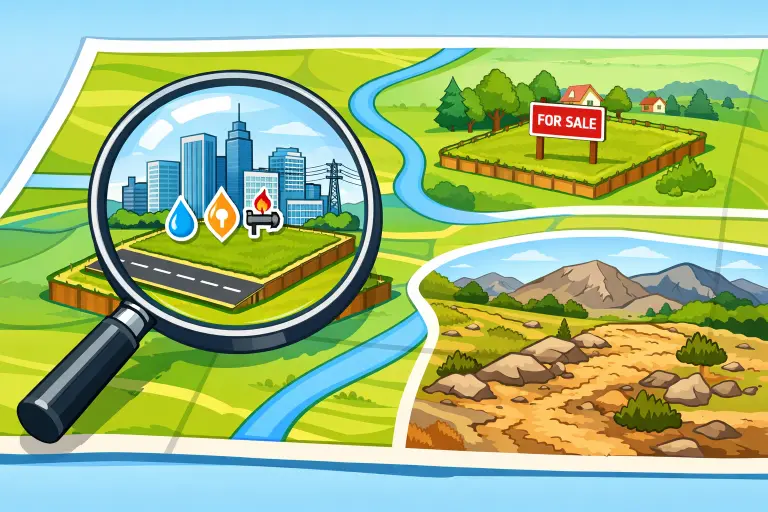
- Location and Accessibility: Land close to cities or towns, with smooth access roads, and established utilities typically sells faster. Conversely, remote plots with difficult terrain or limited infrastructure may linger on the market.
- Market Conditions: In strong real estate markets with high demand for development or investment, land moves more quickly. For example, in 2025, U.S. farmland values reached a record high of $4,350 per acre, according to data from the American Farm Bureau Federation, pointing to robust activity in certain areas.
- Property Characteristics: The land’s zoning, topography, whether it is cleared or wooded, and its access to water or sewer connections will all impact overall buyer interest and sales speed.
- Pricing Strategy: Pricing land at or even below comparable market values can capture more buyer interest. Overpricing tends to slow the process, especially in regions where demand is already modest.
Average Timeframes for Selling Land
Selling land often takes longer than selling residential properties, and the average timeframe varies across different locations:
- Urban and Suburban Areas: In or near cities, land can sometimes sell in as little as three to nine months if it is well-priced and in demand. Competitive markets and proximity to amenities drive faster closings.
- Rural Areas: Properties outside of populated regions, particularly those lacking improvements or access, may remain available for 12 to 24 months or longer, especially if interest is low or the property requires substantial work before it can be developed.
Consider trends in your specific region. For example, in New York’s suburban counties, land can take up to eight months to sell, while parcels in rural upstate New York have reported wait times as long as two years.
Strategies to Expedite Land Sales
If you are exploring different property-selling methods, understanding the process of a cash home sale can also help you compare fast-sale options and buyer expectations before listing your land.
- Accurate Pricing: Use recent comparable sales and consult a local real estate expert or land appraiser to determine a price that aligns with current values and generates buyer interest.
- Flexible Financing Options: Offering creative terms, such as owner financing, appeals to buyers who may struggle to secure traditional loans, expanding your potential market base.
- Comprehensive Documentation: Organize important paperwork ahead of listing, including surveys, zoning/activity reports, and proof of clear title. This reduces delays and inspires confidence among buyers.
- Effective Marketing: Leverage real estate platforms, social media, and local networks. Professional photos, detailed listings, and outreach to regional developers or investor groups can all help attract the right buyers faster.
Alternative Selling Methods
If speed is your top priority, consider non-traditional methods:
- Direct Sale to Investors: Some real estate investment firms or land specialists will buy properties outright, often completing sales within days. Keep in mind these offers usually fall below market value in exchange for a quick close and reduced hassle.
- Auctions: Auctions can create urgency and sometimes lead to a rapid sale. However, outcomes can be unpredictable, and there is a risk of receiving less than the property’s market value if competition is low.
Conclusion
Selling land in the U.S. involves distinct challenges compared to selling homes, as fewer buyers, more intensive due diligence, and unique market trends play major roles. By understanding the key variables, setting a competitive price, preparing documentation in advance, and exploring all available sales avenues, landowners can maximize their chances for a timely and profitable transaction. With careful strategy and resourceful marketing, your land sale can proceed smoothly, whether you are selling an in-demand city lot or a sprawling rural parcel.