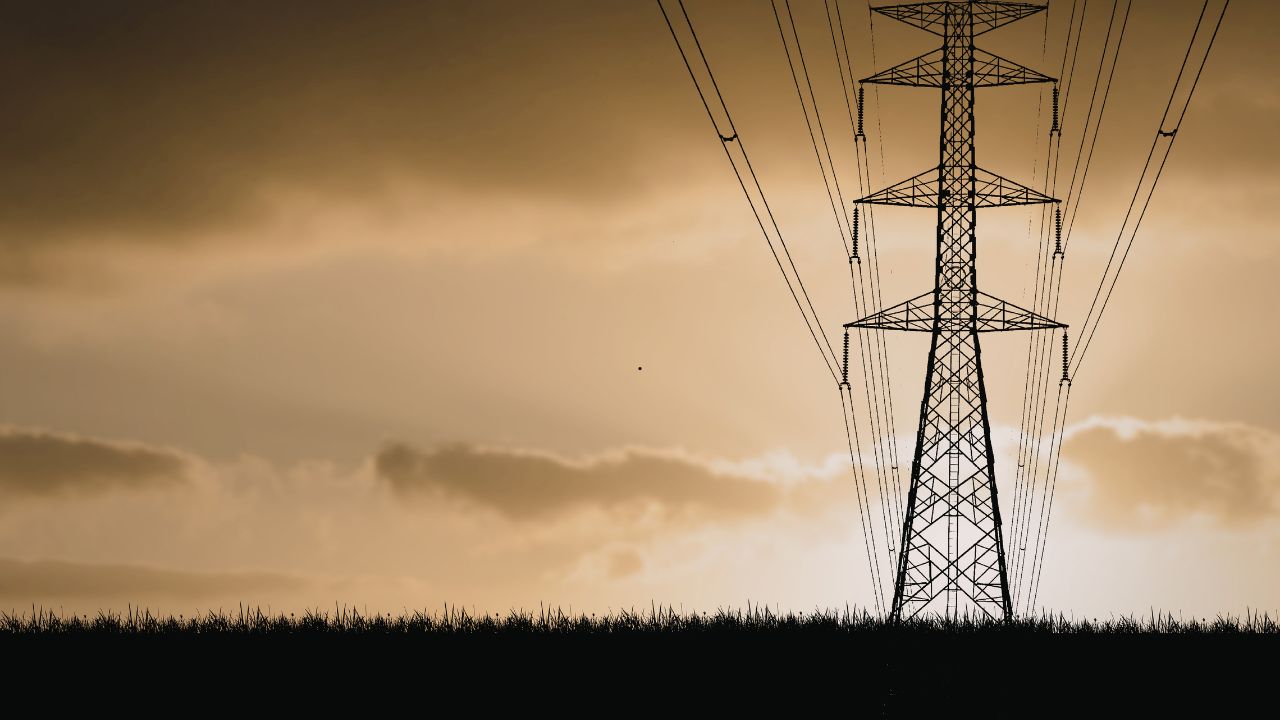

A sudden power outage can disrupt nearly every part of daily life, from communication and cooking to heating, cooling, and basic safety. While most blackouts are short, large-scale grid failures or severe weather events can sometimes last much longer than expected. Being prepared is not about fear—it is about building resilience and ensuring comfort and safety when modern systems temporarily stop working.
Table of Contents
Understanding What a Power Grid Outage Means
A power grid outage occurs when the electricity supply is interrupted across a wide area due to technical failures, natural disasters, overloads, or maintenance issues. When this happens, homes, businesses, traffic systems, and communication networks can all be affected simultaneously.
What makes these situations challenging is not just the lack of light, but the sudden loss of structure in everyday routines. Refrigeration stops working, internet access may drop, and even basic tasks like charging a phone become difficult. Understanding these impacts helps you prepare more effectively instead of reacting in panic.
Building a Practical Home Preparedness Mindset
Preparedness starts with mindset. Instead of viewing a blackout as a rare inconvenience, it is more useful to think of it as a scenario you are ready to manage calmly. This means anticipating needs before they become urgent.
For example, knowing where your household flashlights are stored, keeping important phone numbers written down, and having a plan for meeting family members if communication networks fail are simple but powerful steps. Preparedness is not about having everything—it is about reducing uncertainty.
A calm and organized approach ensures that even in the dark, decision-making remains clear and efficient.
Lighting, Communication, and Essential Energy Planning
When electricity is gone, lighting becomes one of the most immediate needs. Battery-powered lamps, candles, and solar lights can all help maintain visibility and reduce stress at night. However, modern preparedness also involves managing digital communication needs.
This is where energy backup solutions become important. A portable power station can serve as a reliable source of electricity for charging phones, powering small devices, and maintaining essential connectivity during extended outages. Unlike traditional fuel-based generators, it operates quietly and safely indoors, making it highly practical for home use.
Communication also depends on conserving battery life. Keeping devices on low-power mode and limiting unnecessary usage ensures that you stay connected longer when charging options are limited.
Maintaining Hygiene and Temperature Control
Hygiene is often overlooked during emergencies, yet it plays a key role in maintaining health and morale. Simple routines such as washing hands with stored water, using wipes, and keeping sanitation supplies ready help maintain cleanliness when running water or heating systems are limited.
Temperature control also affects wellbeing. In prolonged outages, indoor conditions can become uncomfortable. Preparing suitable clothing for different weather conditions ensures adaptability. Small comfort adjustments often make a significant difference in how manageable a blackout feels.
Managing Electronics and Backup Energy Sources
Modern life relies heavily on electronic devices. Phones, radios, and small appliances are often essential for information and safety. This is why energy backup planning is critical.
A combination of power-saving habits and backup devices ensures continuity. Charging devices in advance, reducing screen brightness, and switching off unused apps can extend battery life significantly. In longer outages, renewable or rechargeable energy systems become even more valuable.
Backup energy is not just about convenience—it is about moving toward more reliable home energy ownership, helping households stay connected during outages while reducing dependence on unstable grids.
Food, Water, and Daily Comfort Considerations
Without electricity, refrigeration and cooking systems may stop functioning. This makes food safety and water storage essential parts of preparedness. It is wise to keep non-perishable food available and ensure clean drinking water is accessible for several days.
Comfort also becomes a major concern. Temperature regulation may be affected, especially during extreme weather. In cold conditions, layering clothing and using blankets helps retain warmth. In hot climates, ventilation and shaded areas become critical for maintaining comfort.
Even personal grooming routines are affected during outages. For example, using a hair dryer becomes impossible unless alternative power sources are available. This may seem minor, but it highlights how deeply electricity is integrated into daily habits.
Staying Calm and Informed During Extended Outages
One of the most important aspects of managing a blackout is emotional control. Uncertainty often causes more stress than the actual lack of electricity. Staying informed through battery-powered radios or low-energy devices helps reduce confusion.
Maintaining a routine also provides psychological stability. Eating at regular times, resting properly, and keeping communication open within households can prevent panic and improve decision-making. Calmness is a form of preparedness that is often underestimated.
Conclusion
Power grid outages remind us how dependent modern life is on continuous electricity, but they also highlight how manageable disruptions can be with the right preparation. By planning ahead for lighting, communication, food storage, hygiene, and energy needs, households can remain safe and comfortable even during extended blackouts.

