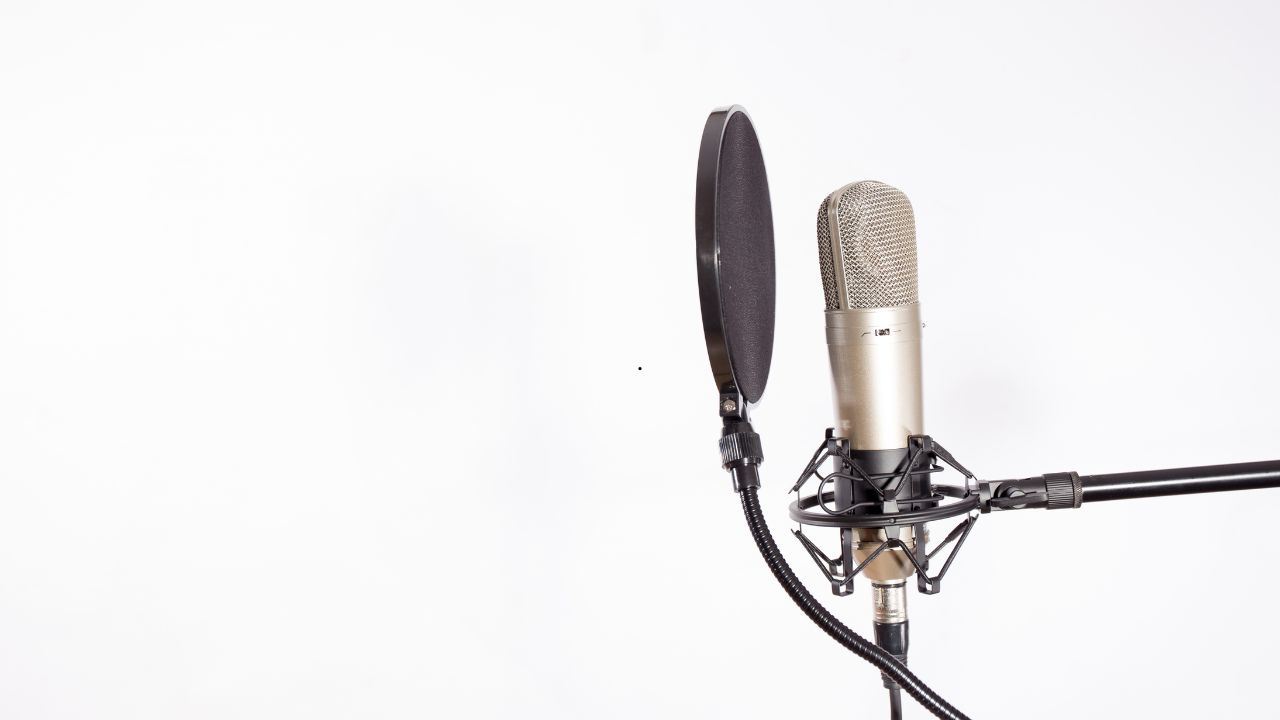

In modern automotive engineering, acoustic performance is as critical as mechanical efficiency. Noise, Vibration, and Harshness (NVH) testing has become an essential process for designing comfortable, high-quality vehicles. At the heart of this process is the nvh measurement microphone, a specialized instrument designed to capture precise sound data in diverse testing environments. This article explores NVH measurement microphones, their types, applications, benefits, and best practices for accurate acoustic testing.
Table of Contents
What is an NVH Measurement Microphone?
An NVH measurement microphone is a highly sensitive device used to measure sound pressure levels, vibrations, and acoustic characteristics in vehicles and other engineering applications. Unlike standard microphones, NVH microphones are designed to withstand harsh testing environments, provide precise frequency response, and capture subtle acoustic variations. These instruments are essential in identifying noise sources, analyzing vibration patterns, and ensuring compliance with regulatory standards.
In automotive engineering, the nvh measurement microphone is commonly integrated with data acquisition systems to monitor sound levels inside the cabin, engine compartments, and exterior environments. The data collected is analyzed to improve comfort, reduce noise pollution, and optimize vehicle performance.
How NVH Measurement Microphones Work
NVH measurement microphones operate based on the principle of converting sound pressure into electrical signals. These signals are then processed by measurement systems to quantify noise levels, frequency spectra, and vibration patterns. Key features that make NVH microphones ideal for testing include:
- High Sensitivity: Capable of detecting low-level noise and subtle vibrations.
- Wide Frequency Range: Accurate measurement across frequencies relevant to human hearing and automotive systems.
- Durability: Built to withstand heat, vibration, and environmental conditions found in engine bays or wind tunnels.
- Calibration Capability: Many NVH microphones can be calibrated to maintain accuracy over time.
Types of NVH Measurement Microphones
There are several types of NVH measurement microphones, each tailored for specific applications:
- Condenser Microphones: Widely used due to their high sensitivity and broad frequency response. Ideal for capturing engine noise, cabin acoustics, and wind noise.
- Piezoelectric Microphones: Commonly used in vibration measurements due to their ability to respond to mechanical stress and convert it into electrical signals.
- Omnidirectional Microphones: Capture sound from all directions, providing an accurate representation of the acoustic environment.
- Directional Microphones: Focus on specific noise sources, ideal for isolating components during testing.
Selecting the right type of nvh measurement microphone depends on the testing environment, target frequencies, and specific objectives of the measurement process.
Applications of NVH Measurement Microphones
NVH measurement microphones are used in a wide range of industries, including automotive, aerospace, industrial machinery, and consumer electronics. Key applications include:
- Automotive Cabin Noise Analysis: Evaluating how road, tire, and engine noise affect passenger comfort, similar to principles used in acoustic design.
- Engine and Exhaust Testing: Identifying vibration and acoustic issues in powertrains.
- Component Testing: Measuring noise generated by HVAC systems, brakes, and suspension components.
- Environmental Noise Assessment: Analyzing how vehicles or machinery impact surrounding areas.
- Product Development: Ensuring compliance with international standards and aligning with trends in the load cells market to improve product quality.
Advantages of Using NVH Measurement Microphones
Using specialized NVH measurement microphones offers several advantages over standard microphones:
- Precision: Detect even the smallest acoustic variations that affect comfort and performance.
- Durability: Designed to perform reliably in harsh environments during testing.
- Versatility: Suitable for multiple applications, from vehicle cabins to industrial machinery.
- Integration: Easily interfaces with advanced data acquisition systems and software for real-time analysis.
- Regulatory Compliance: Helps manufacturers meet ISO and other industry standards for noise and vibration.
Best Practices for NVH Testing
To maximize the effectiveness of an NVH measurement microphone, engineers should follow best practices during testing:
- Proper Calibration: Ensure the microphone is calibrated according to manufacturer specifications before each test.
- Correct Placement: Position the microphone at locations representative of the acoustic environment. In vehicles, this often includes driver and passenger ear locations.
- Minimize Interference: Avoid placing microphones near electrical devices or metallic surfaces that could distort readings.
- Use Windshields or Acoustic Filters: Reduce wind noise and unwanted turbulence in outdoor tests.
- Data Logging and Analysis: Integrate microphones with high-quality data acquisition systems to capture, store, and analyze sound and vibration data accurately.
Common Challenges in NVH Measurement
Despite their precision, NVH measurement microphones can face challenges in real-world testing:
- Environmental Noise: External sounds can interfere with measurements if proper shielding and setup are not used.
- Temperature and Humidity: Extreme environmental conditions can affect microphone sensitivity and accuracy.
- Placement Errors: Inaccurate placement can lead to misleading data about noise sources and vibration patterns.
- Signal Processing: Improper data acquisition or filtering can distort the results, requiring expert interpretation.
Choosing the Right NVH Measurement Microphone
When selecting an NVH measurement microphone, consider the following:
- Frequency Response: Ensure the microphone covers the relevant range for your application, typically 20 Hz to 20 kHz for automotive NVH.
- Sensitivity and Noise Floor: Choose microphones capable of detecting low-level sounds without introducing additional noise.
- Durability and Environmental Resistance: Select models that withstand heat, vibration, and moisture.
- Connectivity: Ensure compatibility with your data acquisition system or software.
- Budget vs. Performance: Balance cost with the level of precision and features required for your testing.
Emerging Trends in NVH Measurement
Advances in technology continue to improve NVH testing. Some emerging trends include:
- Wireless NVH Microphones: Eliminating cable clutter and allowing flexible positioning in complex testing environments.
- Integration with AI and Machine Learning: Analyzing patterns in vibration and noise data for predictive maintenance and design optimization.
- Miniaturized Sensors: Compact microphones that fit into confined spaces while maintaining high sensitivity.
- Multi-Microphone Arrays: Using multiple microphones simultaneously for spatial analysis and pinpointing noise sources.
Conclusion
A nvh measurement microphone is an indispensable tool for engineers and technicians who aim to improve comfort, performance, and quality in vehicles and machinery. By understanding how these microphones work, selecting the right type, and applying best practices in testing, professionals can accurately capture sound and vibration data for analysis and improvement.
From automotive cabin noise analysis to engine vibration testing, NVH measurement microphones provide the precision and reliability required for modern engineering. Choosing the right microphone, integrating it with proper data acquisition systems, and following established testing protocols ensures that your NVH assessments are accurate and actionable.