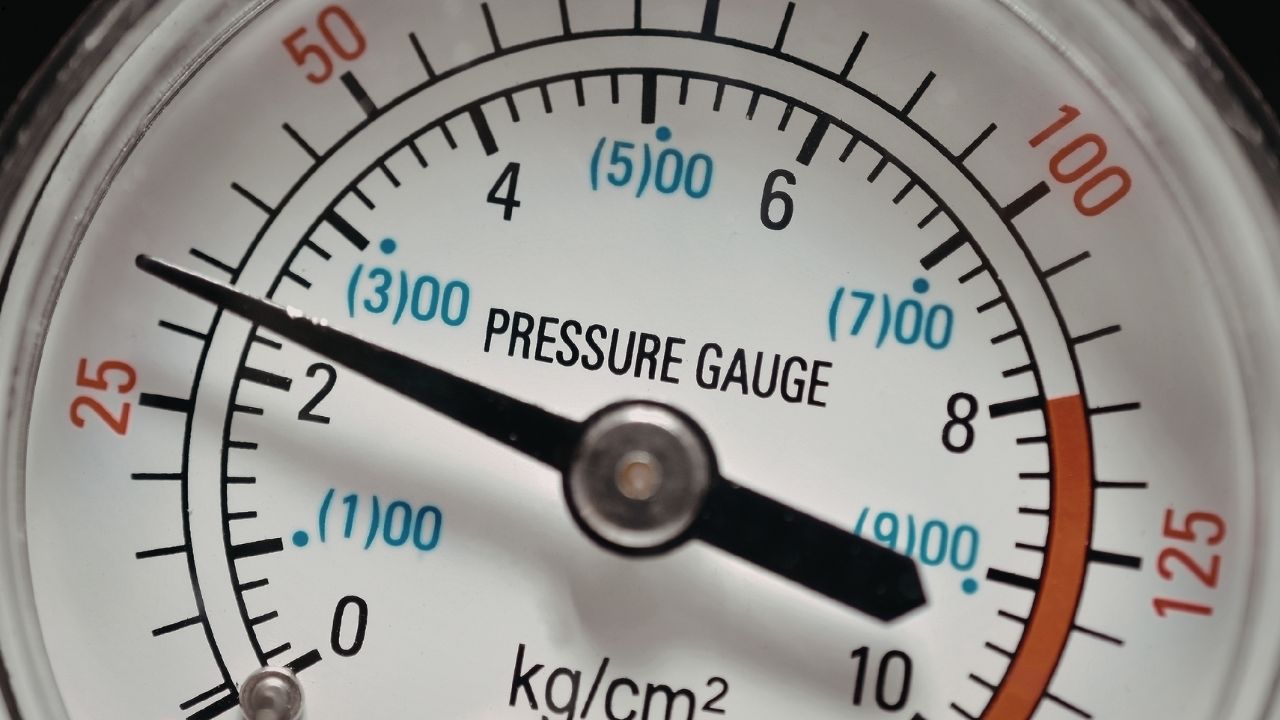

This buyer’s guide helps plant engineers select the right pressure transmitter and temperature transmitter for Singapore’s harsh industrial environments. A failed transmitter means lost production, safety risks, and damaged equipment—making selection a critical risk management decision.
Table of Contents
Why transmitter selection matters
Singapore plants face unique challenges:
- Ambient humidity often exceeding 90%
- Coastal salt spray accelerating corrosion
- Steam lines up to 400°C+
- Vibration from pumps and compressors
- Hazardous areas requiring explosion-proof equipment
A transmitter not designed for these conditions fails prematurely, causing unplanned downtime and process upsets.
Key selection criteria
1. Ingress protection (IP) ratings
| IP Rating | Protection | Singapore Application |
| IP54 | Dust-protected, splashing water | Indoor, clean areas only |
| IP65 | Dust-tight, water jets | General outdoor, light rain |
| IP66 | Dust-tight, powerful jets | Washdown areas, heavy rain |
| IP67 | Dust-tight, temporary immersion | Flood-prone areas |
Recommendation: For outdoor Singapore installations, specify IP66 or IP67 minimum. Tropical rain and washdown procedures make lower ratings risky.
2. Material selection for corrosion resistance
| Material | Best For | Limitations |
| 316L SS | Steam, water, oils, mild chemicals | Not for strong acids |
| Hastelloy C-276 | Highly corrosive chemicals | Expensive |
| PTFE-lined | Corrosive acids | Temperature limited (~200°C) |
Housing options:
- Epoxy-coated aluminum: Lightweight, good corrosion resistance
- 316L stainless steel: Maximum protection, heavy, expensive
Recommendation: For general steam service, 316L SS wetted parts with epoxy-coated aluminum housing is cost-effective. For coastal salt spray, consider stainless steel housing.
3. Hazardous area certifications
| Zone | Definition | Certification |
| Zone 0 | Continuous atmosphere | Ex ia (intrinsically safe) |
| Zone 1 | Likely in normal operation | Ex d (flameproof), Ex ia |
| Zone 2 | Unlikely, short duration | Ex n, Ex e |
Recommendation: Singapore plants accept IECEx or ATEX certifications. Specify correct Zone and Gas Group based on area classification.
4. Vibration resistance
| Level | Location | Required Feature |
| Low (<1 g) | Pipe racks | Standard electronics |
| Medium (1–5 g) | Near pumps | Potting compound |
| High (>5 g) | On compressors | Remote mount |
Recommendation: For high vibration, use remote mount transmitters with electronics in a low-vibration location.
5. Temperature considerations
For steam above 200°C, use a thermowell to protect the sensor and allow replacement without shutdown. For ambient above 60°C, consider remote electronics or heat shielding.
6. Communication protocol
| Protocol | Best For |
| 4-20 mA | Basic monitoring |
| HART | Diagnostics, configuration |
| Fieldbus | New DCS installations |
| Modbus | PLC systems |
| Wireless | Remote locations |
Recommendation: HART is most flexible for general use. For new plants, consider digital fieldbus for advanced diagnostics.
Installation best practices
- For pressure transmitters
- Install close to tapping point
- Slope impulse lines continuously (50mm/m minimum)
- Use siphon/pigtail for steam service
- Allow system to reach operating temperature before zeroing
For temperature transmitters
- Insert thermowell to proper depth (center of pipe flow)
- Use heat-conductive compound
- Remote mount for high temperature or vibration
Electrical installation
- Use appropriate cable glands for hazardous areas
- Install surge protectors for lightning protection
- Seal conduits to prevent gas migration
- Follow plant grounding standards
Cost vs. value
| Grade | Cost | Life | Application |
| Industrial | $500–1,200 | 5–10 years | Benign indoor |
| Heavy-duty | $1,200–2,500 | 10–15 years | Harsh process |
| Extreme-duty | $2,500–5,000+ | 15–20 years | Critical safety |
ROI: Paying 2x more for heavy-duty is justified if it lasts 3x longer and prevents one unplanned shutdown.
The role of expert integration
Successful implementation requires:
- Proper sizing and range selection
- Calibration traceable to Singapore Accreditation Council
- Loop checks and commissioning
- Documentation for MOM compliance
- DCS/PLC integration
Experienced instrumentation & control systems providers ensure reliable data from day one.
Conclusion
In harsh environments, the cheapest transmitter is rarely cost-effective. Invest in appropriate IP ratings, corrosion-resistant materials, and hazardous area certifications. Take time to specify correctly now, or pay the price in failures later.