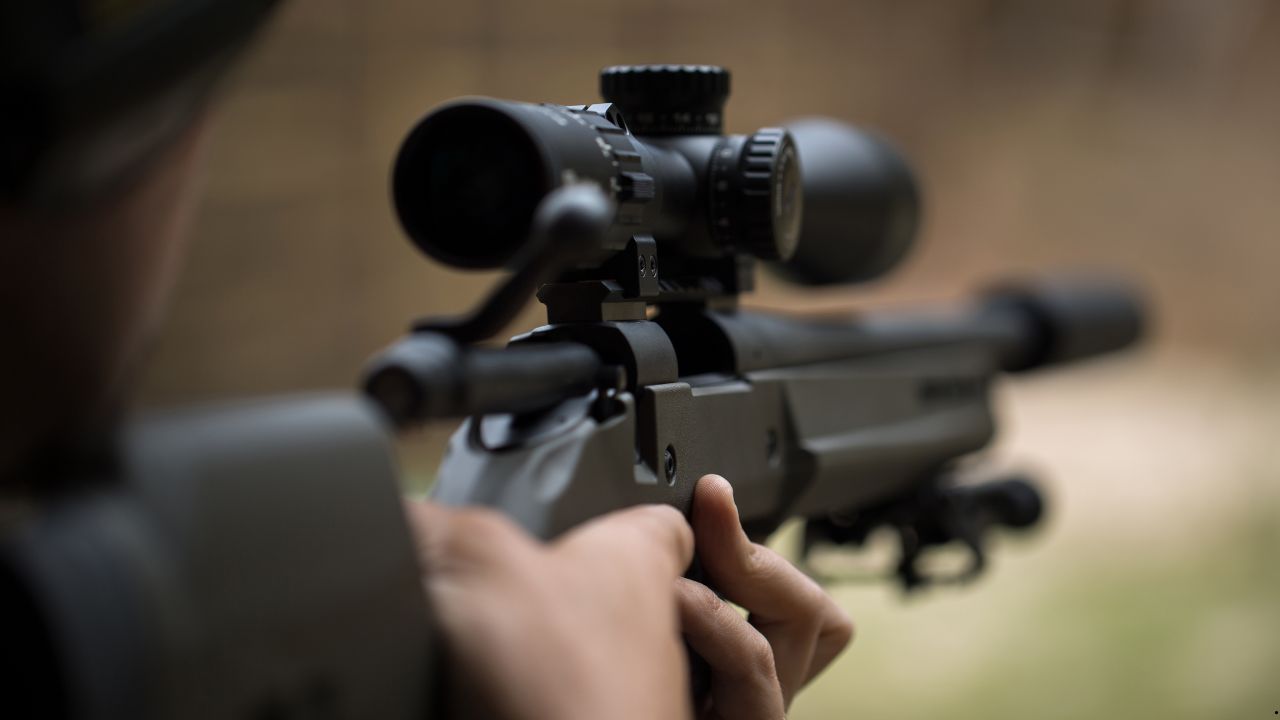

Finding the ideal rifle can feel overwhelming, especially if you are new to shooting sports or hunting. With a wide selection available today, it is crucial to understand the fundamentals that guide an effective, satisfying gun purchase. Whether you are an avid outdoorsperson or someone interested in responsible firearm ownership, knowing what to look for can help you make the best decision. For Canadians seeking reliable options, you can find a comprehensive selection of hunting rifle Canada models and brands to suit your requirements.
The process of choosing a rifle blends personal preference with practical considerations. Elements like your intended use, budget, comfort, and future goals all play a role. Learning about different rifles, their calibers, and accessories will prepare you to make a selection that brings confidence and satisfaction for years to come. Above all, making the right choice ensures an enjoyable, safe experience that matches your goals as a shooter or hunter.
Table of Contents
Determine Your Purpose
The first step in choosing any rifle is to clearly define its purpose. Are you aiming to hunt big game such as deer or moose, participate in target shooting competitions, or simply enjoy range shooting as a hobby? Determining your main objective will immediately narrow the field, as different rifles and setups suit different activities. A firearm intended for hiking in rough terrain or backcountry hunting, for instance, needs to be light and durable, whereas one meant for long-distance target shooting should prioritize stability and accuracy.
If you are focused on hunting, consider the typical wildlife in your region and the landscapes you will be hunting in. For individuals who plan to hunt various types of game, a versatile rifle can offer greater flexibility. Target shooters, on the other hand, often seek rifles with precision engineering and customizability. Properly matching your firearm to its main use increases both enjoyment and success.
Choose the Appropriate Caliber
Selecting the right caliber is vital for effectiveness and comfort. Caliber refers to the internal diameter of the rifle’s barrel and the size of ammunition it can fire. Small-game hunters may prefer .22-caliber rifles, which are lightweight, affordable, and produce minimal recoil, making them perfect for learning or consistent practice. If you expect to hunt larger animals such as deer or elk, larger calibers like the .270 Winchester or .30-06 Springfield offer greater stopping power and penetration. Comfort and recoil also matter. Too much recoil can lead to fatigue and inconsistent shooting, especially for newcomers. Select a caliber that balances necessary power with manageable recoil.
Understand Rifle Actions
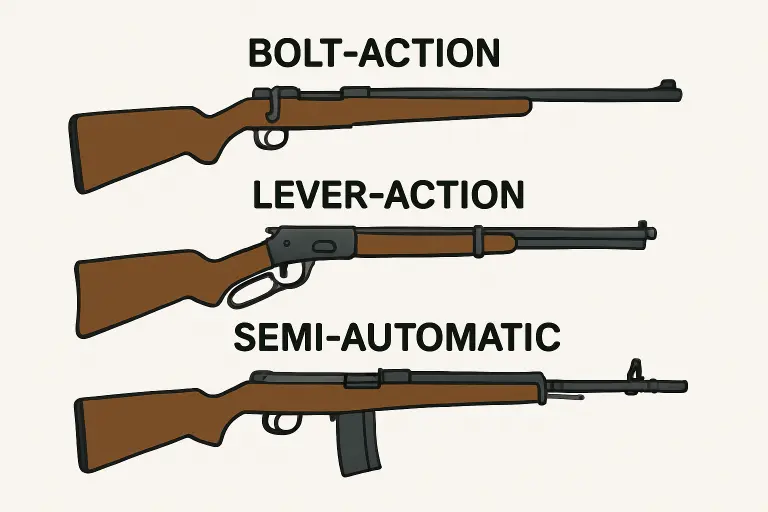
A rifle action is the mechanism that facilitates the loading, firing, and ejection of cartridges, with each type offering specific advantages based on use and user proficiency. Bolt-action rifles are recognized for their reliability and accuracy, and many historic firearms have influenced the evolution of modern bolt-action designs used by hunters and marksmen today. Lever-action rifles, known for allowing rapid follow-up shots, are traditional favorites in some areas. Pump-action rifles, while less common, provide a unique shooting experience with fast cycling through practice. Semi-automatic rifles enable rapid shots, making them suitable for tactical or competitive scenarios; however, they may be heavier and subject to more regulations in various jurisdictions.
Ensure Proper Fit and Ergonomics
Comfort is a crucial factor when buying a rifle. If your firearm feels awkward or unbalanced, it can undermine your accuracy and enjoyment. Key ergonomic considerations include the length of pull (distance from the trigger to the end of the stock), overall weight, and the rifle’s balance point. Trying out several rifles at a dealer or range helps ensure a proper fit, leading to better shooting experiences and reducing fatigue during long outings.
Invest in Quality Optics
A high-quality riflescope can transform your shooting precision. Scopes amplify targets and assist in targeting at greater distances. Important features include magnification range, lens quality, reticle type, and ruggedness to withstand outdoor conditions. Experts often recommend choosing a reputable brand and spending as much on optics as you do on your rifle, if possible. Even a moderate rifle paired with good optics can achieve remarkable accuracy.
Consider Your Budget
Budget considerations extend beyond the rifle itself. Factor in optics, ammunition, storage, safety gear, and cleaning supplies. Many reliable rifles are available at modest prices without sacrificing performance or longevity. It is wise to purchase the best quality you can afford in each category, prioritizing reliability and comfort over brand status or aesthetic features. Always retain some budget for accessories and necessary maintenance tools.
Prioritize Safety and Training
Firearm safety is paramount for every owner. Responsible handling, secure storage, and regular practice are essential. Enrolling in certified safety courses enhances your knowledge and competence, which is often required before you are permitted to hunt or even own a firearm in certain regions. Proper shooting training fosters confidence and gives peace of mind when handling and operating your rifle safely and effectively.
Evaluate Maintenance Requirements
The ease of maintenance of a rifle is crucial for long-term safety and accuracy. Some rifles require minimal effort to clean with common tools, while others may be more complex. Researching manufacturer recommendations and part availability is essential. For low-maintenance preferences, opt for robust models. Regular cleaning helps prevent malfunctions and preserves value. A thoughtful approach ensures the rifle fits personal lifestyle and goals, balancing practical needs with comfort for an enjoyable shooting or hunting experience.
Conclusion
Choosing the right rifle is a thoughtful process that blends purpose, performance, comfort, and responsibility. By clearly defining how you plan to use it, selecting an appropriate caliber, understanding action types, and ensuring proper fit, you set yourself up for a more satisfying and successful experience. Investing in quality optics, budgeting wisely, and committing to safety training further enhance both confidence and capability. Finally, by considering maintenance requirements, your firearm will remain reliable for years to come. With careful research and responsible ownership, you can select a rifle that aligns with your goals while promoting safety, precision, and long-term enjoyment.

