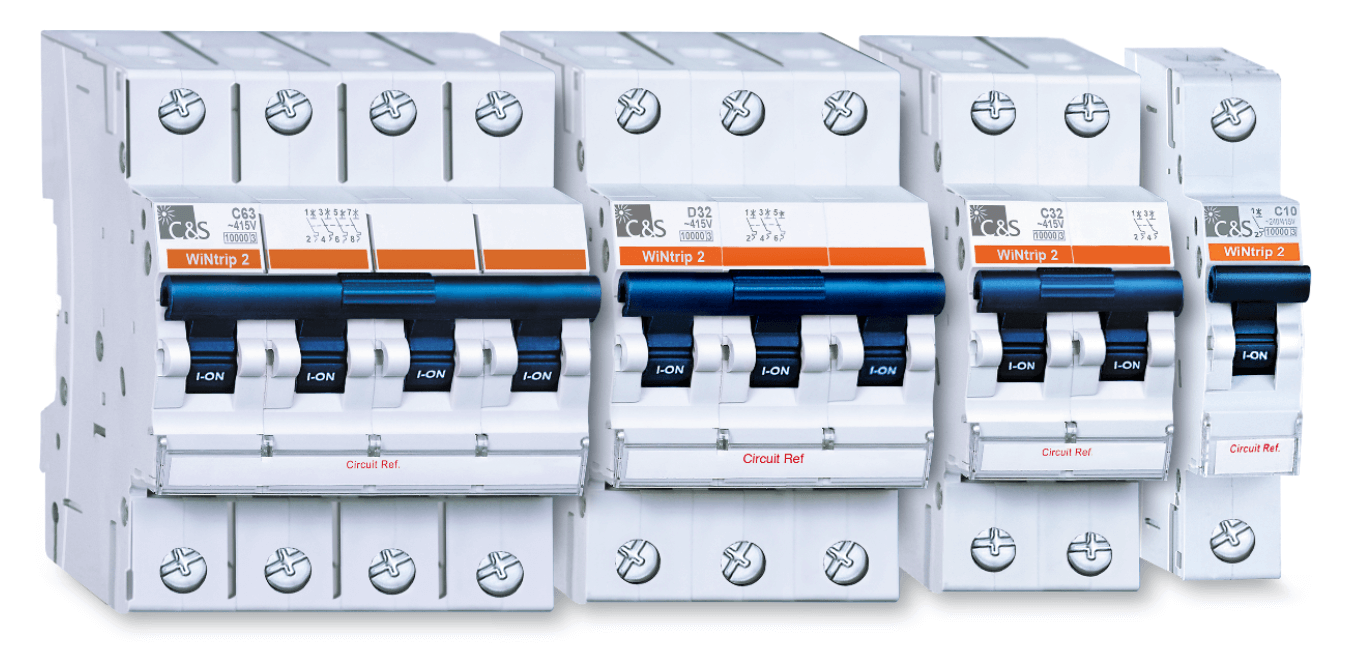

Modern electrical distribution systems are designed to provide reliable power to homes, offices, and industrial facilities. With the increasing reliance on electrical devices and systems, protecting these installations from overloads, short circuits, and electrical faults has become essential. Miniature circuit breakers (MCBs) are critical components in ensuring the safety, efficiency, and longevity of electrical distribution networks.
A reliable solution for protecting circuits in residential, commercial, and industrial applications is the MCB Electrical. These devices are designed to automatically disconnect electrical circuits in the event of excessive current, preventing damage to wiring, equipment, and connected appliances. Understanding the role of MCBs in modern distribution systems highlights their importance in maintaining electrical safety and system reliability.
Table of Contents
What Is an MCB?
A miniature circuit breaker (MCB) is an automatic switch that interrupts the flow of electricity in a circuit when it detects overcurrent or short circuits. Unlike traditional fuses, which must be replaced after tripping, MCBs can be easily reset, making them a convenient and cost-effective solution for circuit protection.
MCBs are widely used in low-voltage systems, typically below 1,000 volts, to protect individual circuits such as lighting, power outlets, and appliances. Their compact size allows for easy installation in consumer units and distribution boards, while providing precise protection for each circuit.
How MCBs Work
MCBs operate by continuously monitoring the current flowing through a circuit. When the current exceeds the rated capacity of the breaker, the device trips and disconnects the electrical supply. Most modern MCBs use a combination of thermal and magnetic mechanisms to provide comprehensive protection:
Thermal Protection
The thermal component relies on a bimetallic strip that bends in response to heat generated by sustained overcurrent. This mechanism provides slow-response protection, ideal for preventing damage from prolonged overloads without tripping during short-term current surges, such as those experienced when motors start.
Magnetic Protection
The magnetic component uses an electromagnet to respond instantly to sudden current spikes caused by short circuits. When the magnetic force generated by the current exceeds a set threshold, the breaker trips immediately, preventing damage to wiring and connected devices.
The combination of thermal and magnetic mechanisms ensures that MCBs protect circuits effectively under various electrical conditions.
Key Features of MCBs
Miniature circuit breakers offer several advantages that make them indispensable in modern electrical systems:
- Resettable Operation: Unlike fuses, MCBs can be reset after tripping, reducing downtime and maintenance costs.
- Compact Design: Small form factor allows installation in standard distribution boards.
- Precision Ratings: Available in different current ratings to match specific circuit requirements.
- Fast Response: Rapid tripping protects circuits and equipment from damage.
- Reliability: High-quality MCBs are designed for thousands of operational cycles, ensuring long-term performance.
Applications in Electrical Distribution Systems
MCBs play a vital role in modern electrical distribution systems across various sectors:
1. Residential Installations
In homes, MCBs protect lighting circuits, power outlets, and individual appliances. They prevent overheating of wiring and minimize the risk of electrical fires caused by overloads or short circuits. Their resettable nature allows homeowners to restore power quickly after resolving the issue.
2. Commercial Buildings
Offices, shopping centers, and commercial facilities rely on MCBs to protect lighting, computer networks, and HVAC systems. By isolating specific circuits during faults, MCBs prevent disruptions to the entire system, ensuring continuous operation for critical services.
3. Industrial Applications
Factories and industrial plants use MCBs to safeguard control circuits, machinery, and motor drives. MCBs help protect expensive equipment from damage caused by electrical faults, while also enhancing worker safety.
4. Renewable Energy Systems
Solar photovoltaic installations and other small-scale renewable energy setups employ MCBs to protect inverters, battery circuits, and distribution panels. Properly rated MCBs ensure reliable operation and prevent damage from overcurrent conditions.
Importance of MCBs in Electrical Safety
MCBs provide several crucial benefits that make them essential in modern distribution systems:
- Overload Protection: MCBs prevent wiring and devices from overheating, reducing the risk of fires.
- Short-Circuit Protection: Fast tripping minimizes potential damage to equipment and ensures system safety.
- Convenience: Easy resetting after faults saves time and effort compared to replacing fuses.
- Compliance: MCBs help meet electrical codes and safety standards for residential and commercial installations.
- System Reliability: By isolating faulty circuits, MCBs maintain uninterrupted operation of other circuits in the system.
Installation and Maintenance Considerations
To ensure optimal performance, MCBs should be installed and maintained properly:
- Select the correct current rating for each circuit to avoid nuisance tripping or insufficient protection.
- Install breakers in a certified consumer unit or distribution board.
- Test MCBs periodically to confirm proper operation.
- Replace any damaged or aged MCBs to maintain safety standards.
- Use qualified electricians for installation and inspection to comply with local electrical regulations.
Conclusion
Miniature circuit breakers are a cornerstone of modern electrical distribution systems, providing essential protection against overloads, short circuits, and other electrical faults. Their compact design, precise ratings, and resettable operation make them ideal for residential, commercial, and industrial applications.
For reliable and efficient circuit protection, the MCB Electrical offers a high-quality solution. By ensuring proper selection, installation, and maintenance, MCBs enhance electrical safety, safeguard equipment, and maintain the smooth operation of electrical systems.