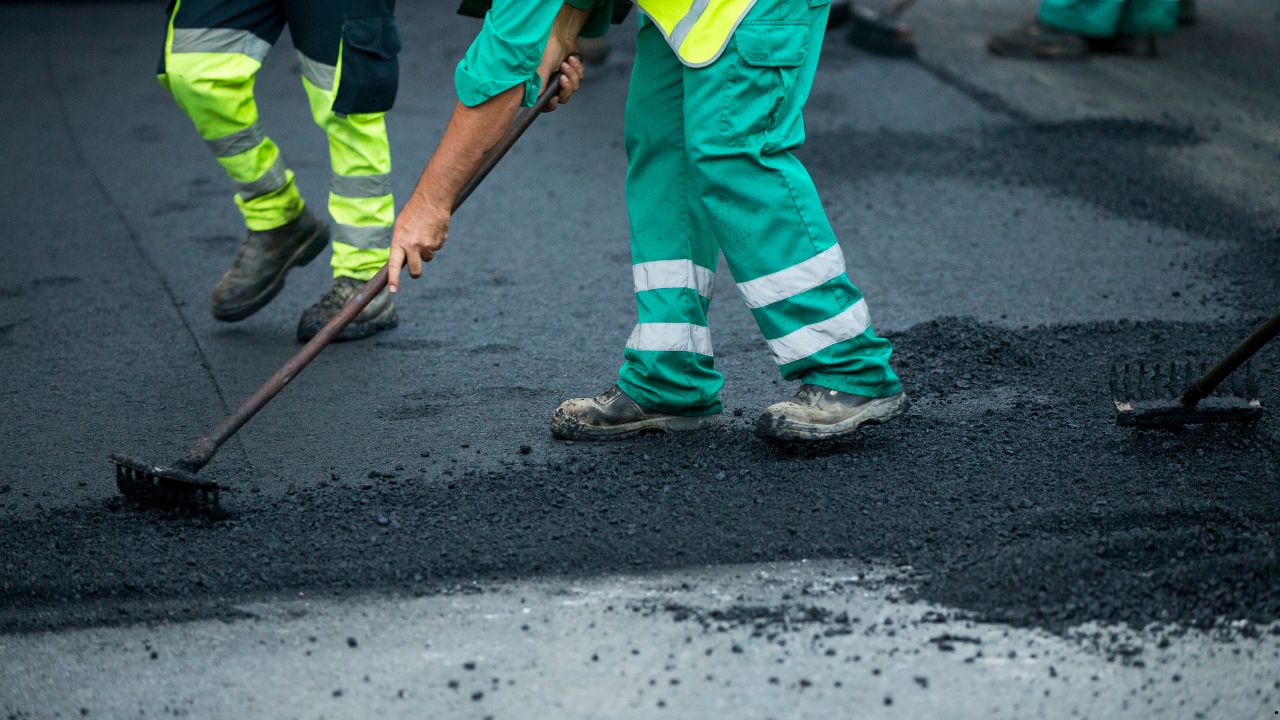

Your driveway is more than just a place to park your car. It is the welcome mat to your home, a key part of your curb appeal, and a significant investment in your property’s value. However, living in Hamilton means dealing with a climate that can be tough on pavement. The constant freeze-thaw cycles of Ontario winters, combined with hot summer days, put significant stress on asphalt surfaces.
Over time, even the most well-laid driveway will show signs of wear. Ignoring these signs usually leads to bigger, more expensive headaches down the road. Whether you are noticing small fissures or gaping potholes, understanding what is happening beneath the surface is the first step to fixing it.
Here, we will break down the most common issues homeowners face and how professional Asphalt repair Hamilton can restore your driveway to its former glory.The Problem: Alligator Cracking
Have you ever looked at your driveway and noticed a pattern that resembles the scaly skin of an alligator? This is fittingly called alligator cracking (or fatigue cracking). It is one of the most common complaints we hear.Why It Happens
Alligator cracking is rarely a surface-level issue. It usually signals a failure in the sub-base layer underneath the asphalt. This can happen because the base was not thick enough to support the weight of vehicles, or because water has seeped in and weakened the foundation. In Hamilton, the heavy loads of snow and ice accumulation can accelerate this process.The Solution
Unfortunately, you cannot simply fill alligator cracks and hope for the best. A surface patch is like putting a bandage on a broken bone; it doesn’t fix the underlying structural problem.
To properly fix this, the damaged area needs to be excavated. The compromised sub-base must be removed and replaced with fresh, compacted aggregate. Once the foundation is solid, a new layer of asphalt can be applied. This ensures the repair lasts and the cracking doesn’t return immediately.The Problem: Potholes
Potholes are the enemy of every driver’s suspension. They are ugly, dangerous to walk on, and can cause vehicle damage if they get deep enough.Why It Happens
Potholes are the end result of ignored alligator cracking or other minor damage. When water seeps into cracks in the pavement, it sits there. When temperatures drop below freezing, that water expands as it turns to ice, pushing the asphalt up. When the ice melts, it leaves a void.
As cars drive over this weakened spot, the asphalt collapses into the void, creating a hole. This freeze-thaw cycle is relentless in Hamilton winters, making potholes a frequent spring surprise.The Solution
Fixing a pothole requires cleaning out the debris and loose asphalt first. You can’t just shovel new material into a dirty hole; it won’t bond.
For a quick fix, “cold patch” asphalt can be used, but this is often temporary. The professional standard involves cutting out the area around the pothole to create clean, vertical edges (squaring it off). Then, hot-mix asphalt is poured in and compacted heavily to match the level of the surrounding driveway. This creates a seamless, watertight patch.The Problem: Drainage Issues and Standing Water
If you notice puddles forming on your driveway that don’t drain away after a rainstorm, you have a drainage problem. This is often referred to as “birdbaths” or depressions.Why It Happens
Depressions happen when the sub-base settles unevenly or wasn’t compacted correctly during the original installation. Sometimes, heavy trucks (like delivery vans or construction vehicles) driving on a residential driveway can compress the asphalt in specific spots, creating ruts.
Standing water is bad news for asphalt. The longer water sits on the surface, the more likely it is to penetrate the binder—the glue holding the rocks and sand together. Once the binder breaks down, the asphalt crumbles.The Solution
If the depression is minor, infrared asphalt restoration might be an option. This technology heats the existing asphalt so it can be reworked and leveled.
For deeper depressions or significant drainage issues, the affected area usually needs to be removed. Pro Asphalt & Landscaping will assess the grading of your driveway to ensure water flows away from your home and garage, rather than pooling in the middle of the pavement. Correcting the slope is critical to preventing future water damage.The Problem: Edge Cracks
Take a look at the edges of your driveway where the asphalt meets your lawn or garden. Are pieces breaking off or cracking?Why It Happens
Edges are the most vulnerable part of any driveway because they lack support on one side. If the soil next to the driveway washes away or settles, the asphalt edge loses its lateral support. Driving too close to the edge can also cause it to shear off or crack.
Vegetation is another culprit. Roots from nearby trees or aggressive weeds can grow under the edge, lifting and breaking the asphalt.The Solution
Repairing edge cracks often involves removing any invasive roots and rebuilding the support alongside the driveway. Installing a border of stone, concrete, or compacted soil can provide the necessary containment. Once the edge is supported, the broken asphalt can be cut away and replaced.The Power of Sealcoating
While not a repair for structural damage, sealcoating is the best preventative maintenance you can perform. Think of it as sunscreen for your driveway.
Over time, UV rays from the sun oxidize the asphalt binder, turning your black driveway grey and making it brittle. Sealcoating replenishes the binder on the surface, restores the deep black color, and provides a waterproof barrier against rain, oil, and gas spills.
We recommend sealcoating your driveway every two to three years. It is a cost-effective way to extend the life of your pavement and delay the need for major repairs.When Should You Call the Professionals?
DIY solutions from the hardware store have their place for tiny cracks, but they are rarely sufficient for structural issues like alligator cracking or drainage problems. Attempting a temporary fix on a major problem often ends up costing more in the long run when the repair fails.
If your driveway is showing signs of age or damage, don’t wait for the problem to spread. Early intervention is key to saving money and preserving the life of your asphalt.
At Pro Asphalt & Landscaping, we specialize in diagnosing the root cause of driveway failures. We don’t just cover up the problem; we fix it from the ground up.
Ready to restore your curb appeal? Contact us today for a free assessment and quote. Let’s make your